CISUTAC's Final Results for a Circular European Textile Sector
For four years, CISUTAC has worked across the European textile value chain to tackle one of the sector's toughest challenges: how to make textiles and clothing genuinely circular, at scale, from design to end of life. Bringing together brands, recyclers, social enterprises, technology providers, researchers and policymakers, CISUTAC has piloted new repair and recycling technologies, studied what actually drives consumers to reuse and repair, and translated four years of evidence into a set of shared visions for EU textile policy.
As the project comes to a close, this article brings together CISUTAC's final results, organised around three themes: the innovations developed to make textiles more sustainable, the work done to foster circular behaviours among consumers and citizens, and the forward-looking guidance CISUTAC leaves behind for the sector and policymakers.
Innovations for More Sustainability
CISUTAC's technical work sets out to solve a very practical problem: post-consumer textiles carry enormous value if they're routed correctly to reuse, repair or recycling. But today, that routing still relies overwhelmingly on manual judgement, and the technologies that could support it are held back by a shortage of the right data.
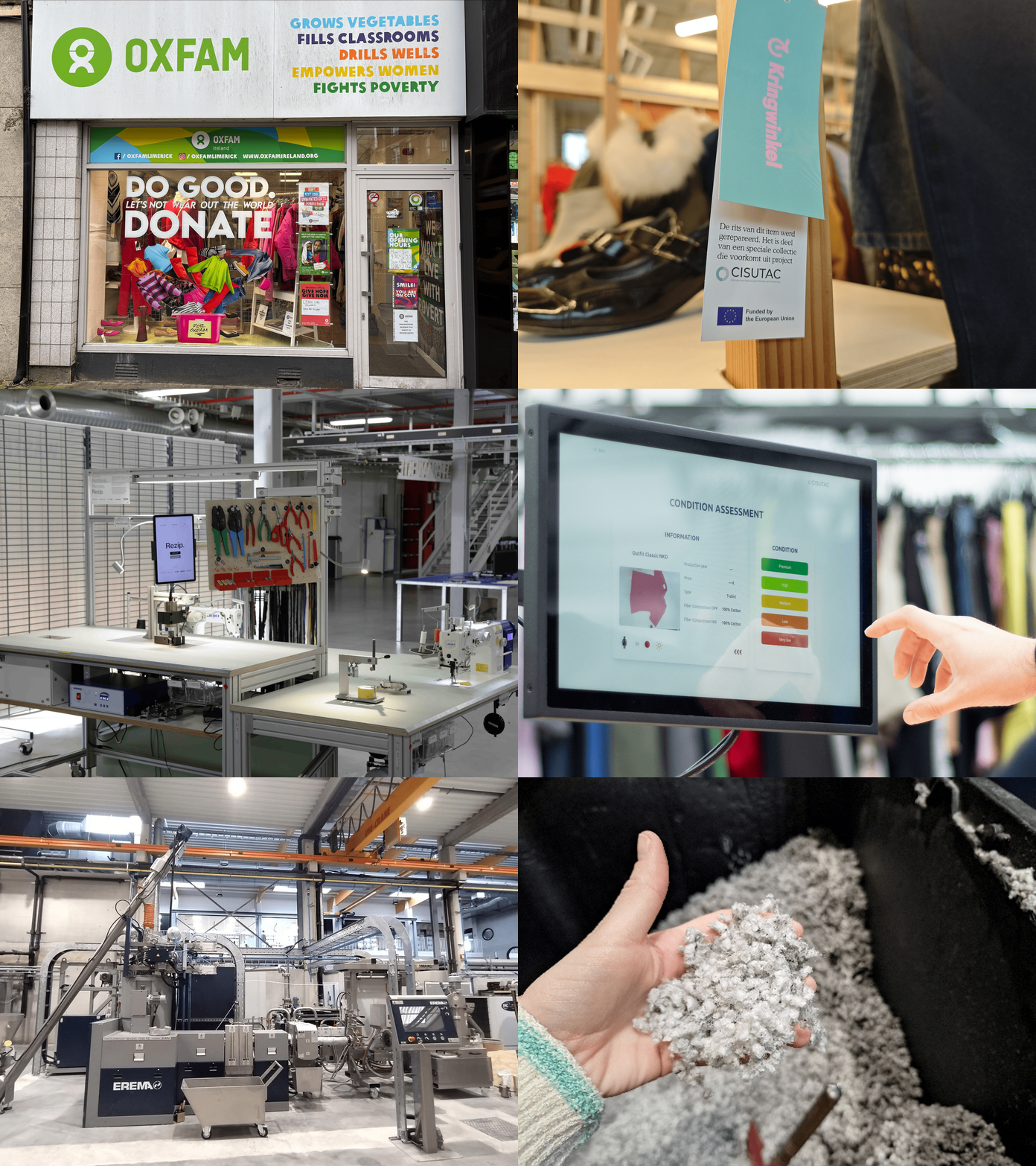
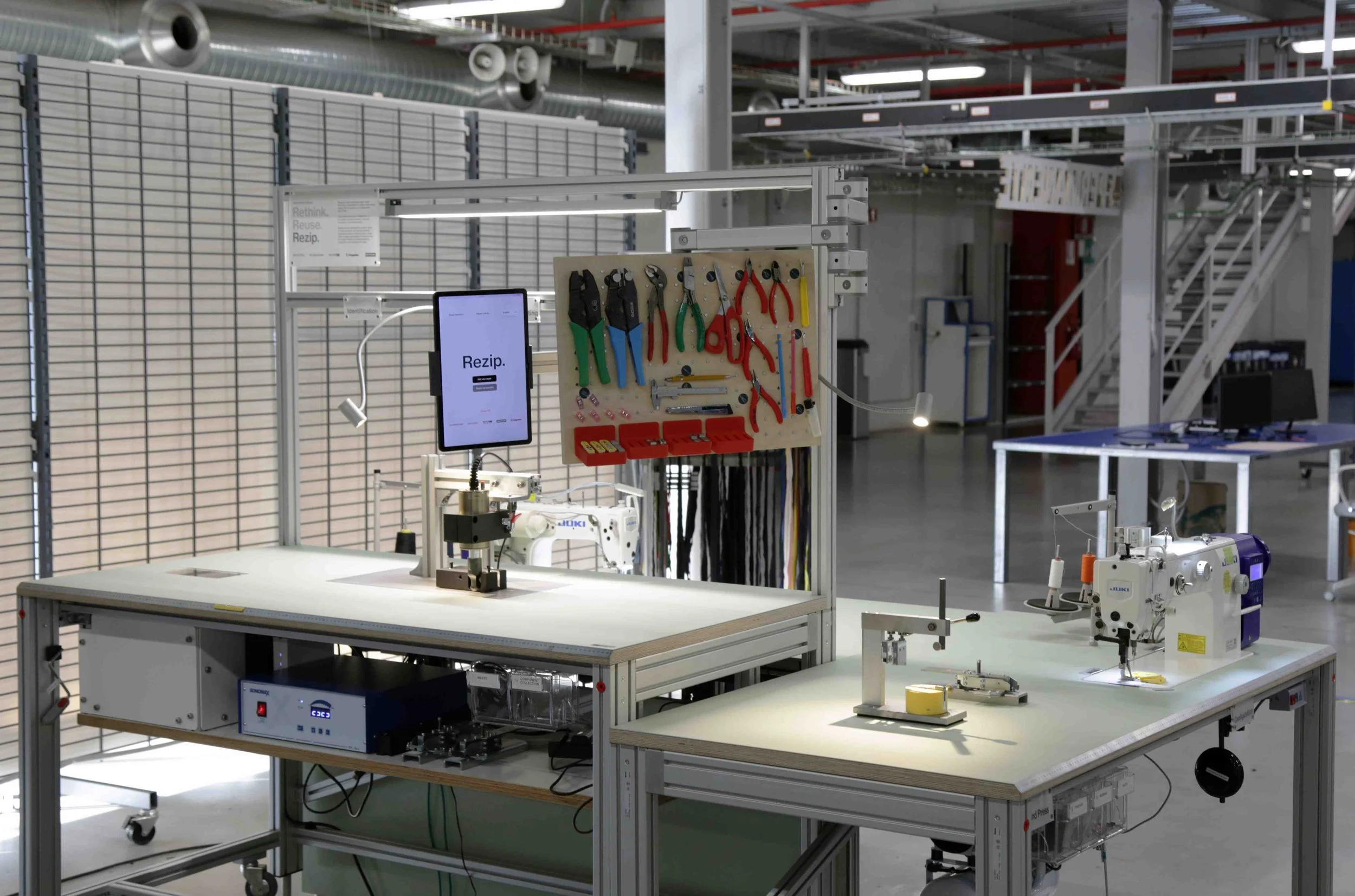
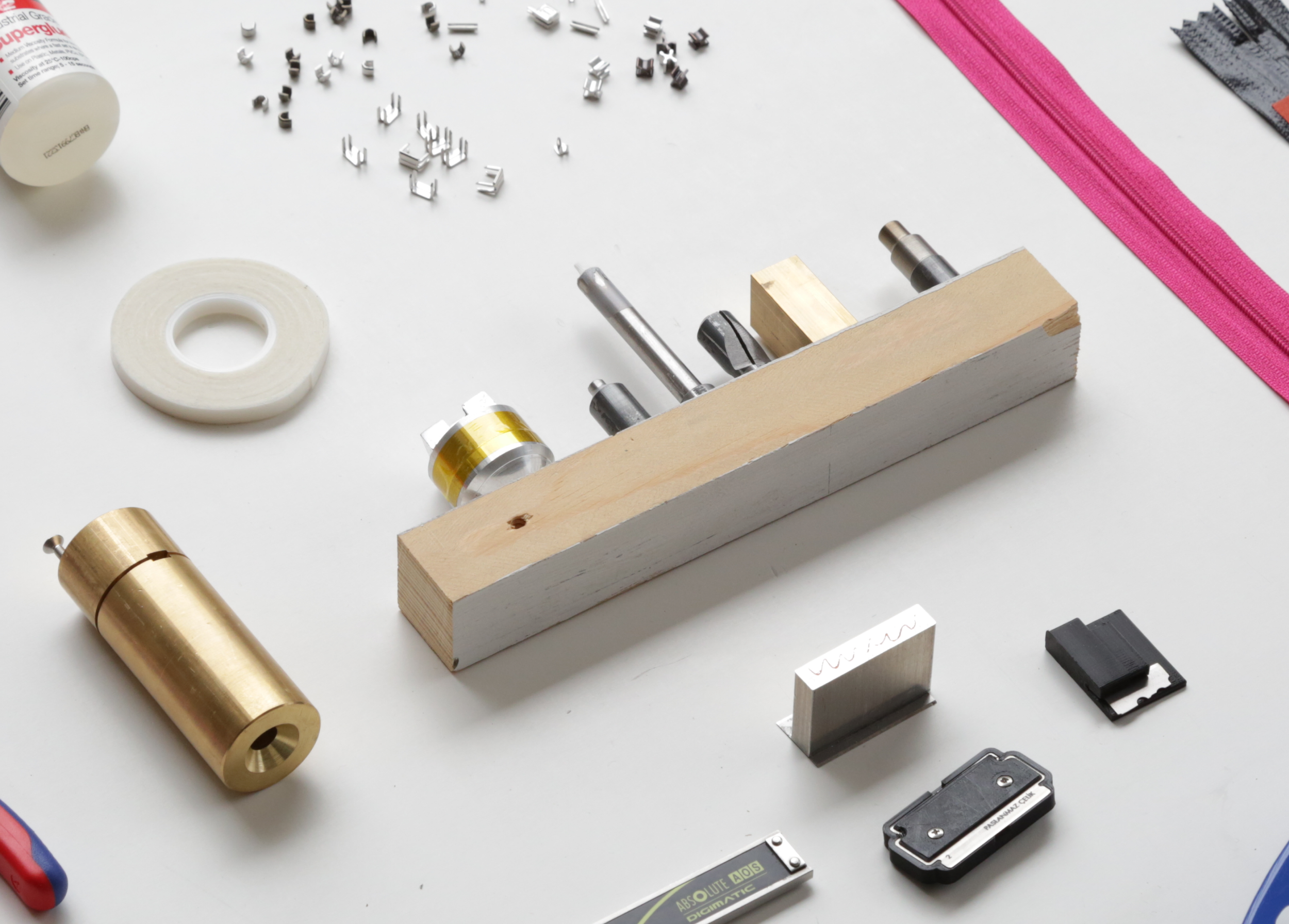
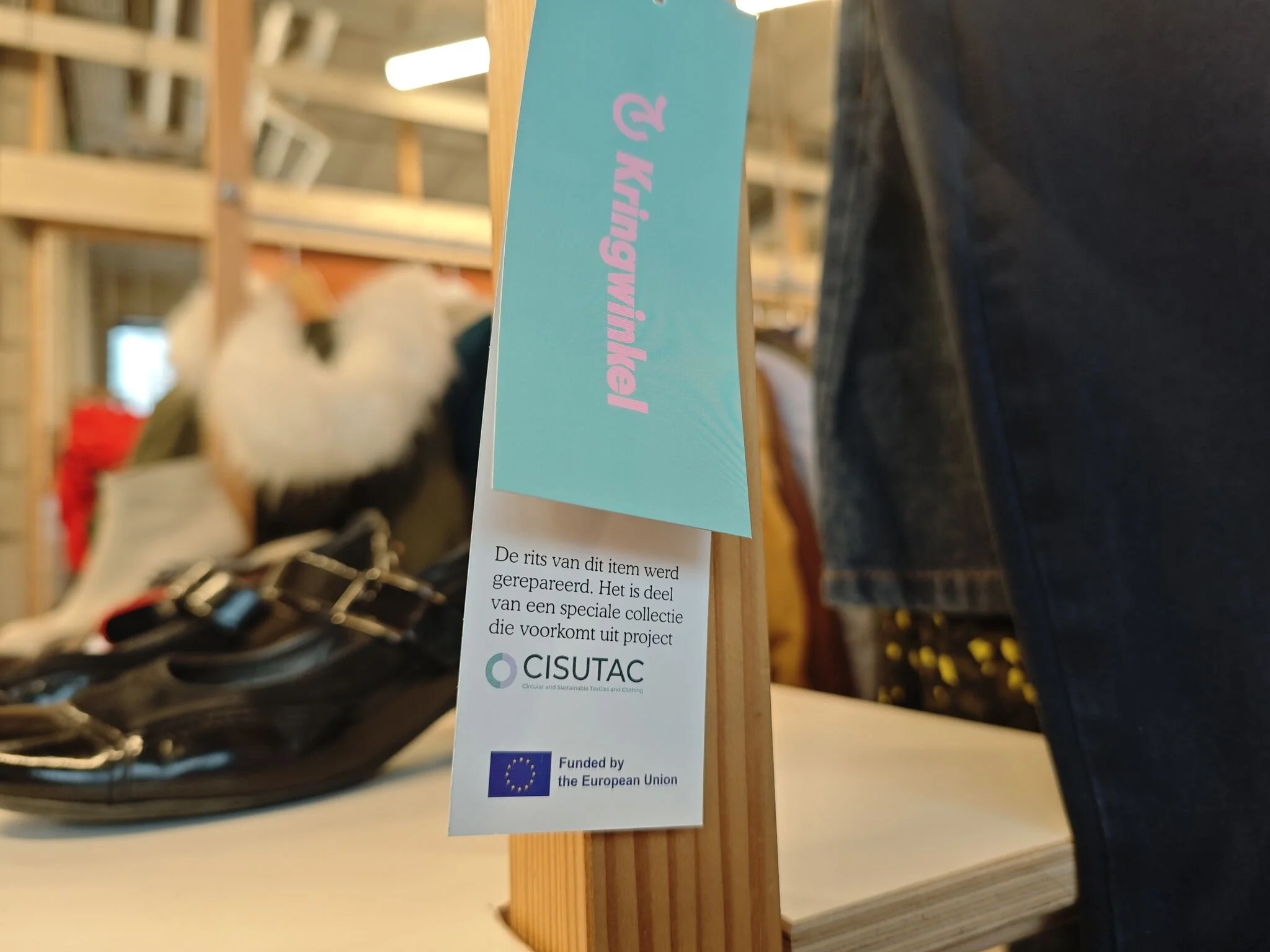
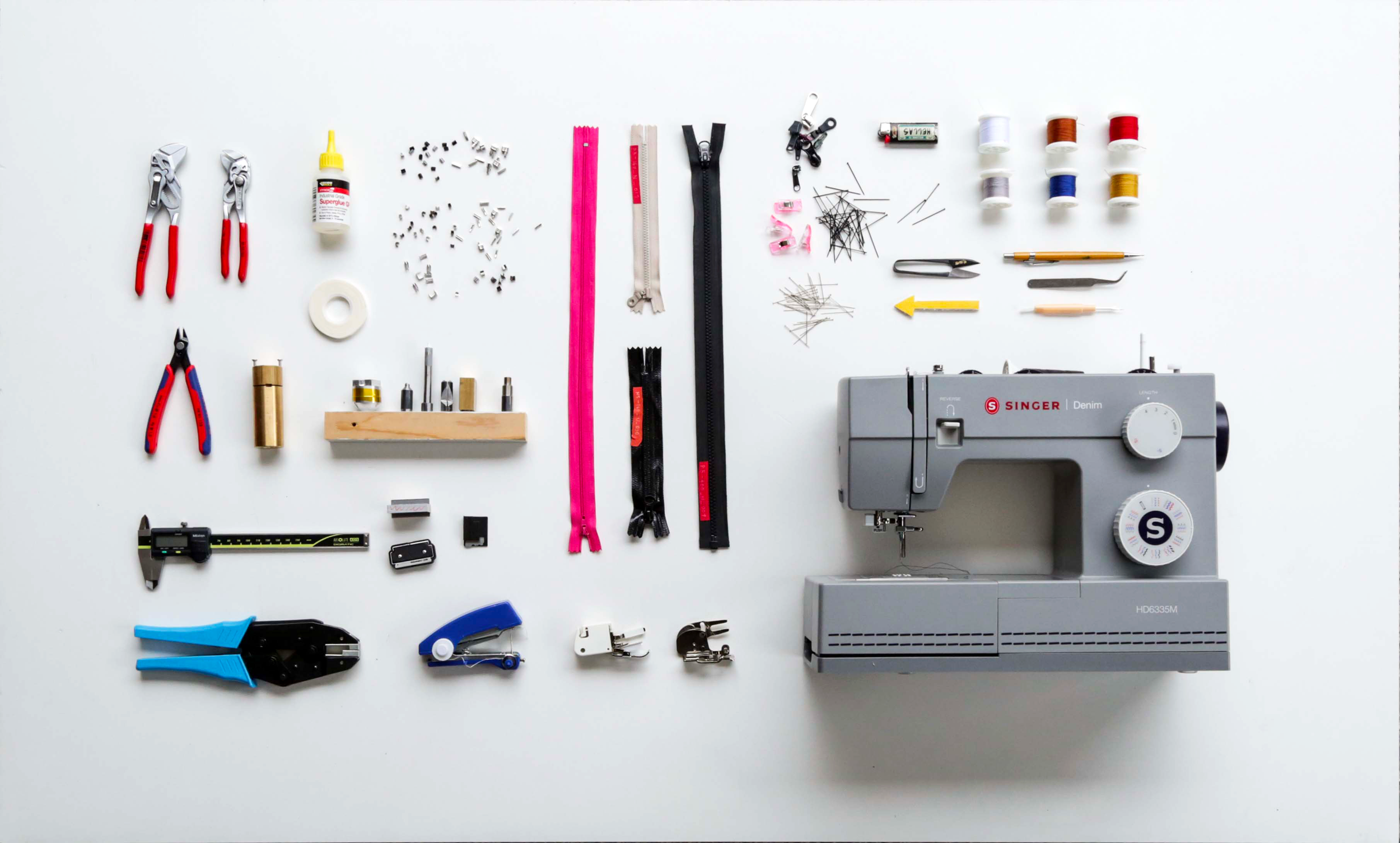
CISUTAC tested several physical repair and disassembly solutions on the ground. Zippers are a small component but a big reason garments get discarded rather than repaired: replacing one can take over 40 minutes with standard sewing machines, which makes it uneconomical at scale. CISUTAC partner Gentle Systems, working with Decathlon, Kringwinkel and Texaid, developed a modular, semi-automated zipper repair workstation that guides operators through inspection, spare-part selection and repair using digital interfaces and automated guiding systems. Piloted at Kringwinkel in Antwerp, the station has now handled more than 120 customer repairs on top ofinternal repairs of donated jackets, cutting the average full zipper replacement time from around 45 minutes to just 10, while staying simple enough for staff without a sewing background to operate. Many of the repaired jackets have since been resold under a dedicated "CISUTAC x Kringwinkel" label, and the team is now working to extend the system to closed-end zippers and bags.
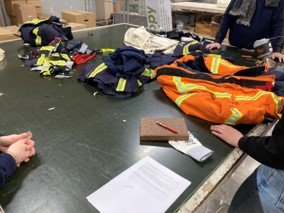
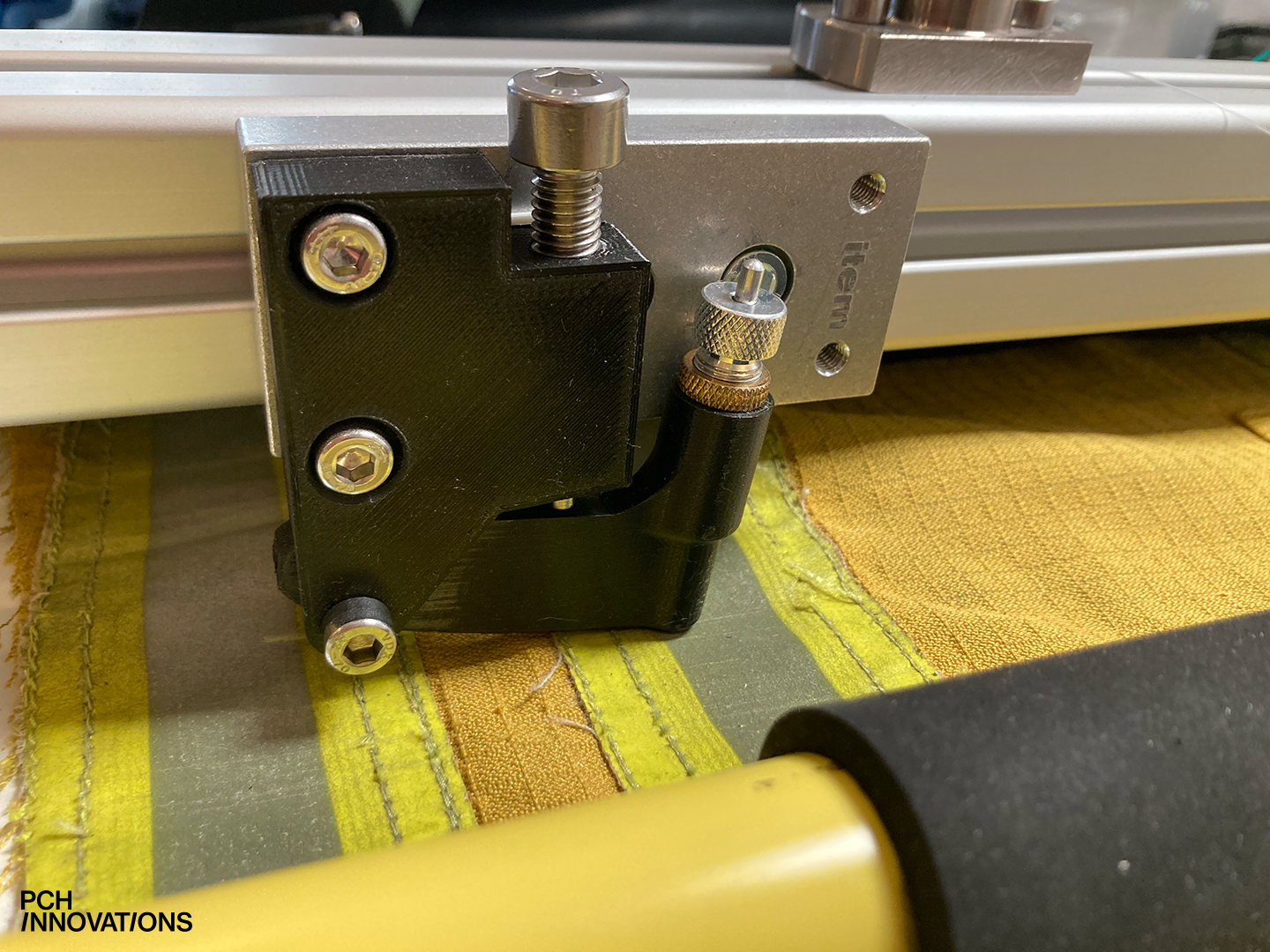
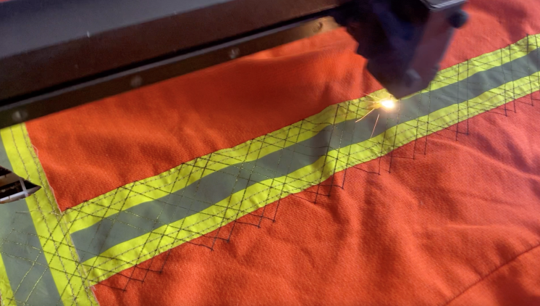
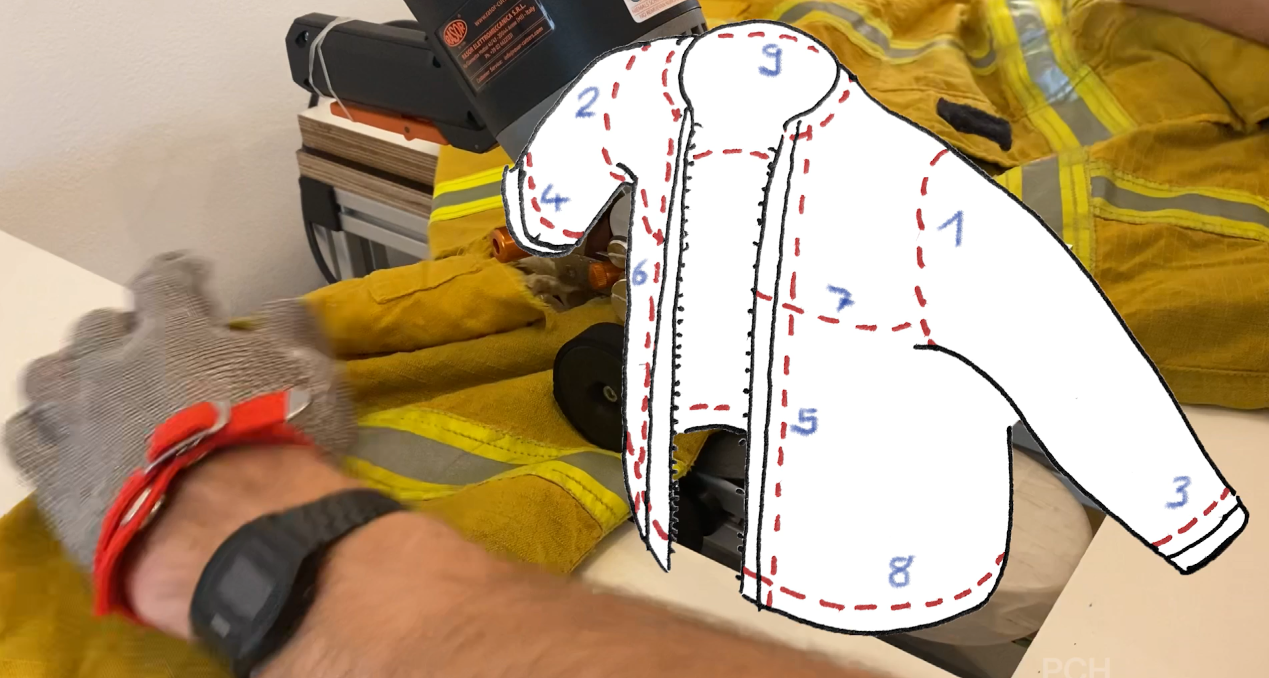
A similar logic applied to a much harder material problem: personal protective equipment. Firefighter suits combine aramid fibres (a high-performance, costly material) with high-visibility stripes, contaminants and complex layering. Today's disassembly is almost entirely manual. Gentle Systems, SIOEN, STAM and Kringwinkel developed a dedicated workstation to automate this process, pairing a stationary aramid cutter with a machine that identifies and removes high-visibility stripes using computer vision and a high-speed knife. The workstation was installed at Kringwinkel Antwerp in 2024, supporting the social enterprise's reuse and sorting activities.
Together, these two workstations formed one of three pilots evaluated in CISUTAC's consolidated pilots evaluation report. The report focuses on what worked and what didn't:
The repair pilot exceeded expectations, cutting repair times while revealing an unexpected market opportunity in consumers' willingness to buy pre-repaired or upcycled garments, and pointing towards new business models built around repairing donated items for resale.
The dismantling pilot proved harder. It successfully processed end-of-life firefighter suits, but struggled to recover enough aramid fibre to meet recycling partners' volume requirements, in part because the suits themselves weren't designed to be easily taken apart, and by the time the pilot was running, finding uses for the recycled aramid fibres was challenging.
The lesson the consortium draws from this contrast is that technology can only go so far without circular design upstream and stable demand downstream.
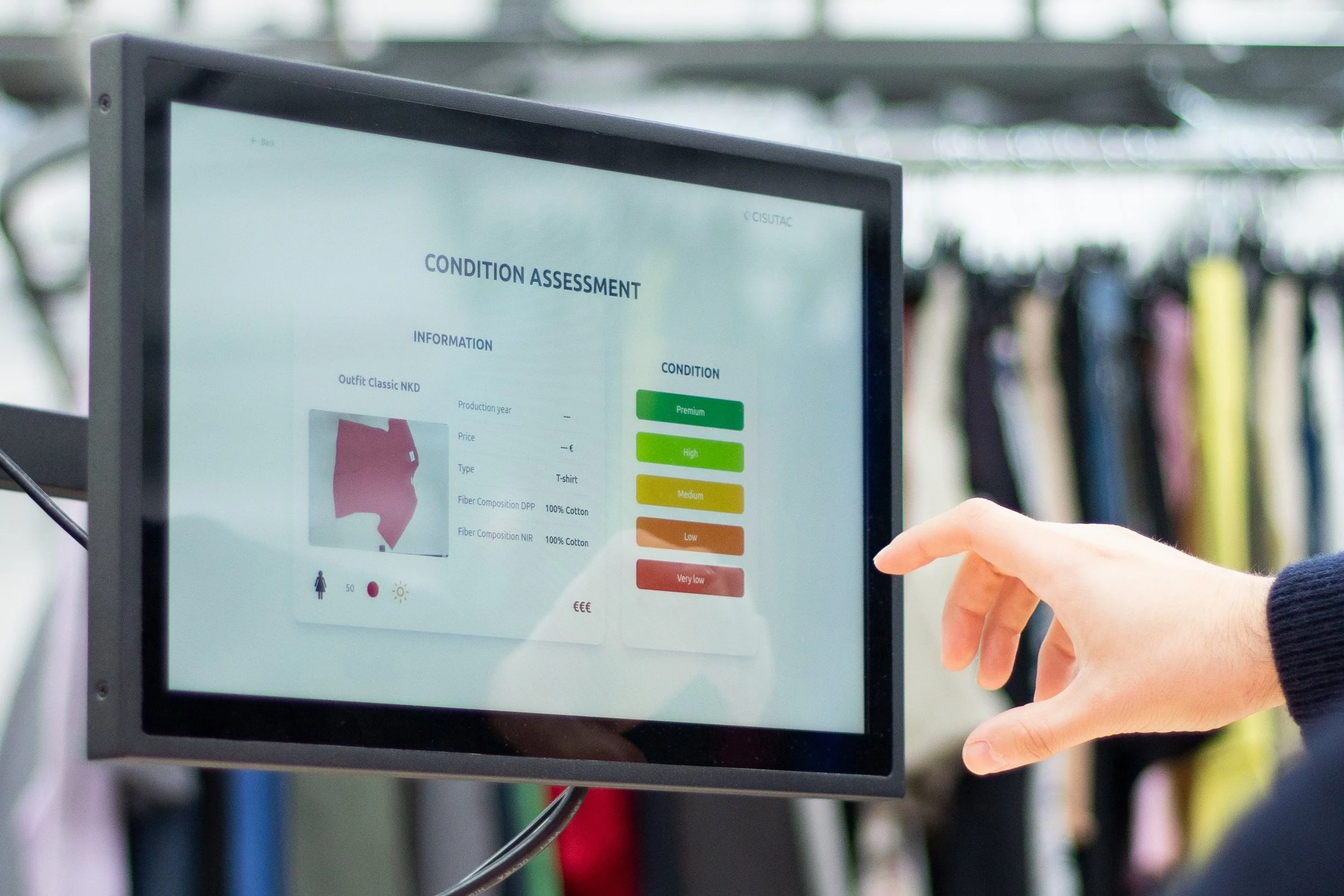
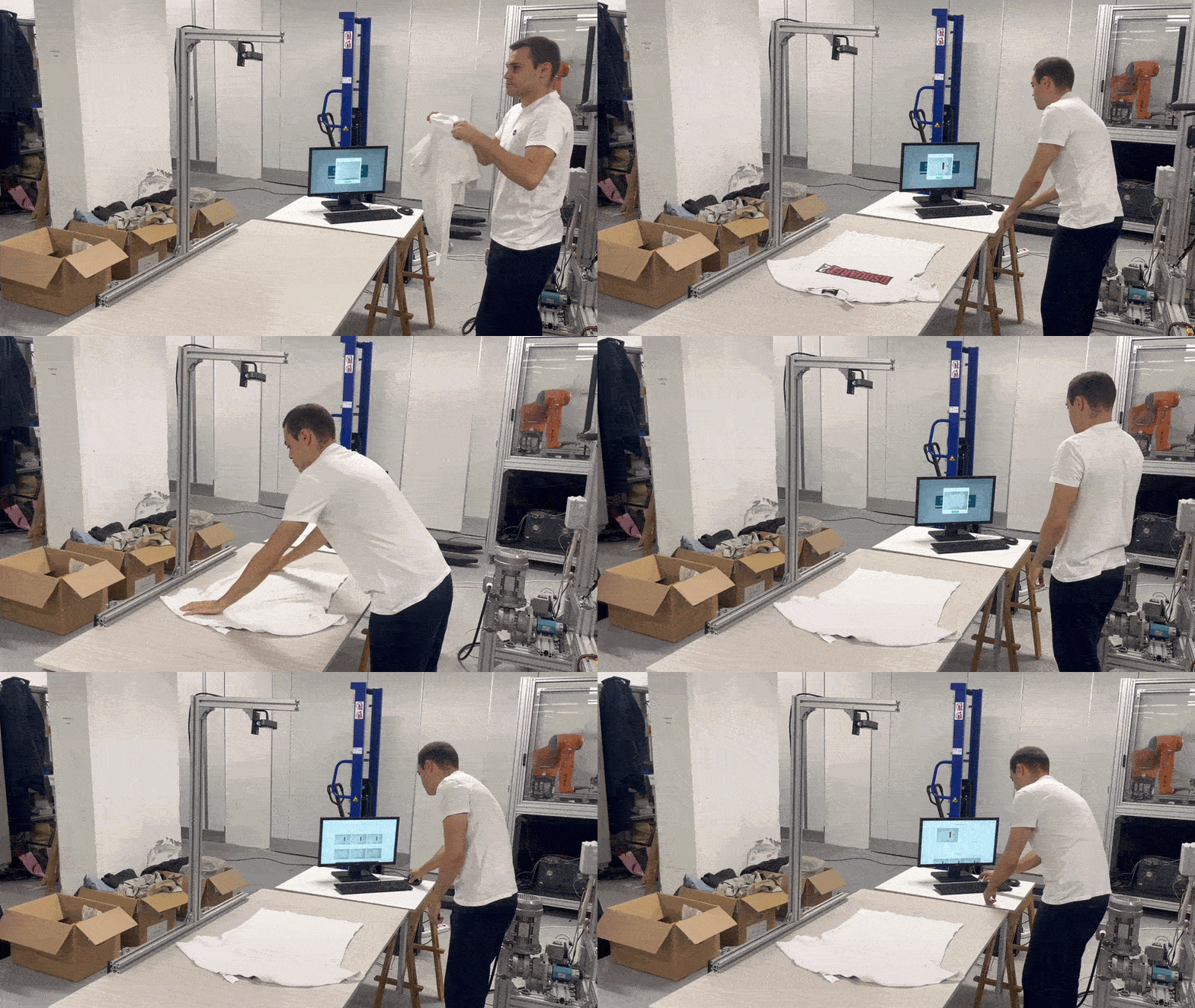
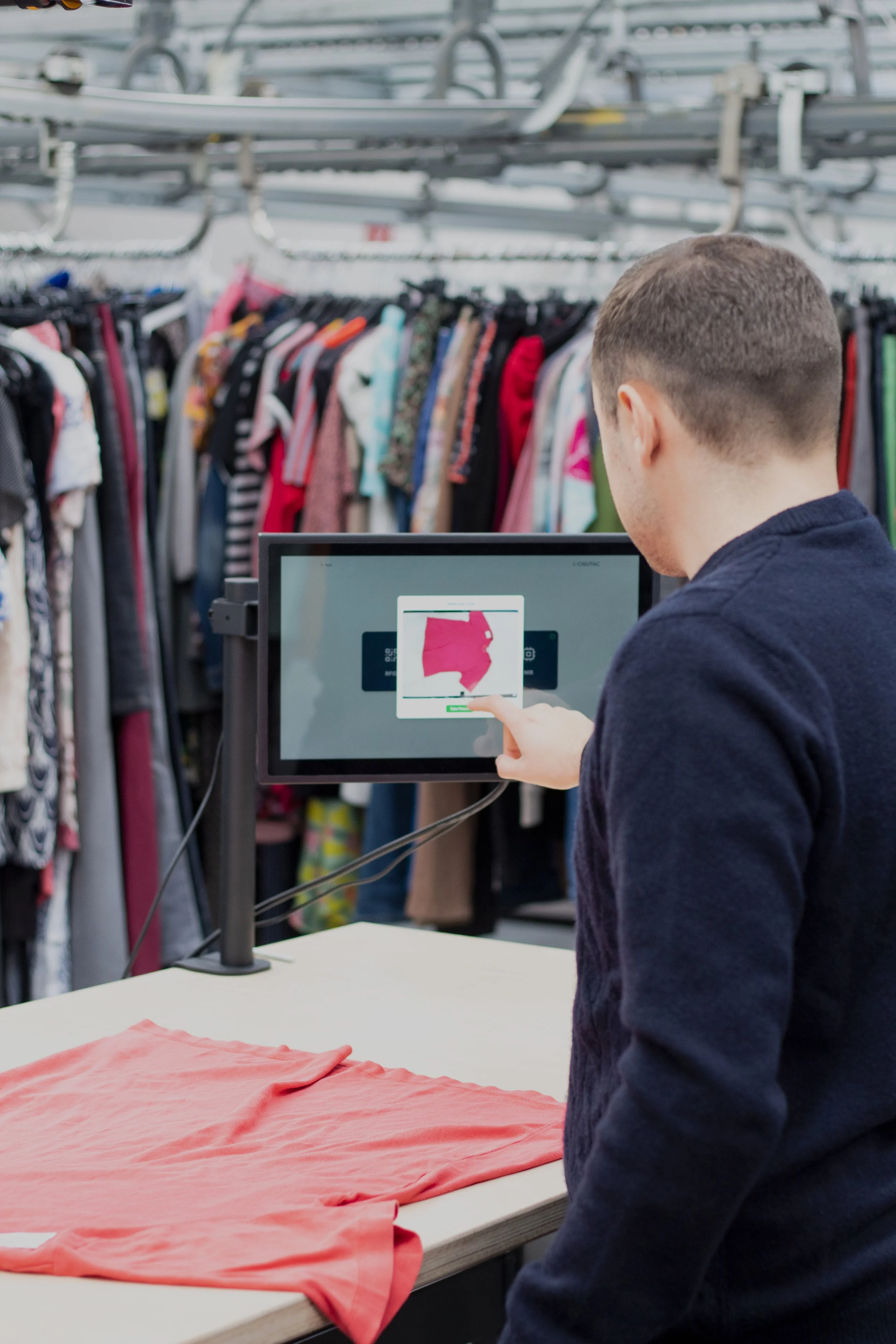
The second pilot took that same combination of human expertise and smart technology into sorting. Hosted by TEXAID at its Darmstadt site, the pilot brought RFID-based product identification, Digital Product Passport data, near-infrared spectroscopy and image-based AI together in a single digitally supported workstation, guiding sorters (rather than replacing them) towards one of seven possible routes for a garment, from reuse to chemical recycling. STAM developed the interface connecting these different data sources, while RISE and STAM built the AI model and sorting logic, with Wargön Innovation, Global Textile Scheme and Decathlon contributing sorting expertise, product data infrastructure and test garments respectively. The pilot confirmed that no single data source is enough on its own: NIR is more objective than sorting by eye but struggles with black textiles and blends, DPP data is still scarce for real-world garments, and AI needed further training, but that combining them enables far more precise sorting than today's manual process.
At the centre of that decision logic is the solution for post-consumer textile waste management, built to help sorters and operators channel post-consumer textiles towards whichever route retains the most value: reuse (including repair), dismantling, mechanical recycling, thermo-mechanical or chemical recycling. The tool identifies and prioritises the data points that matter most for that decision (condition, fibre composition, multilayer construction, chemical content, colour, trims and disruptors, among others) and maps how ready today's sorting technologies are to detect each one. Built on a shared industry vocabulary (ISO 5157) and open to all, it's available both as an interactive web tool and as an open-access Excel workbook, so sorters, recyclers and technology developers can adapt it as the field evolves.
That same gap in usable data motivated one of CISUTAC's most concrete contributions to AI-based sorting. Most computer vision models for fashion are trained almost entirely on first-hand, new clothing, leaving them blind to the damage and wear that actually determine whether a used garment should be reused, repaired or recycled. To help close that gap, CISUTAC has published two open datasets of annotated second-hand garments, focused on the two defects sorters encounter most often: Holes and Spots. Collected and annotated by expert sorters, they're freely available on Hugging Face so researchers and technology developers across Europe can build and train better condition-detection models, one of the missing pieces needed to scale automated sorting.
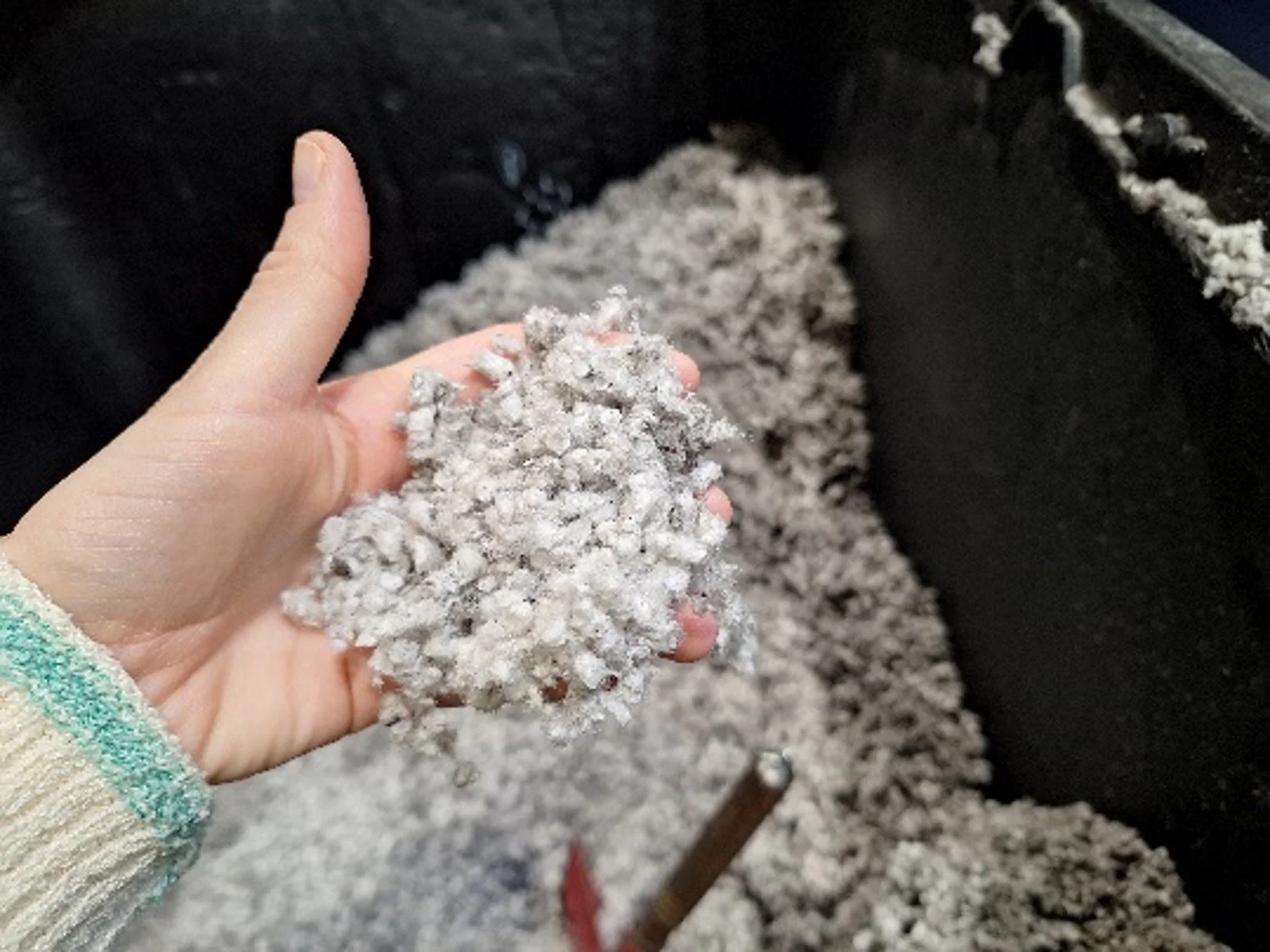
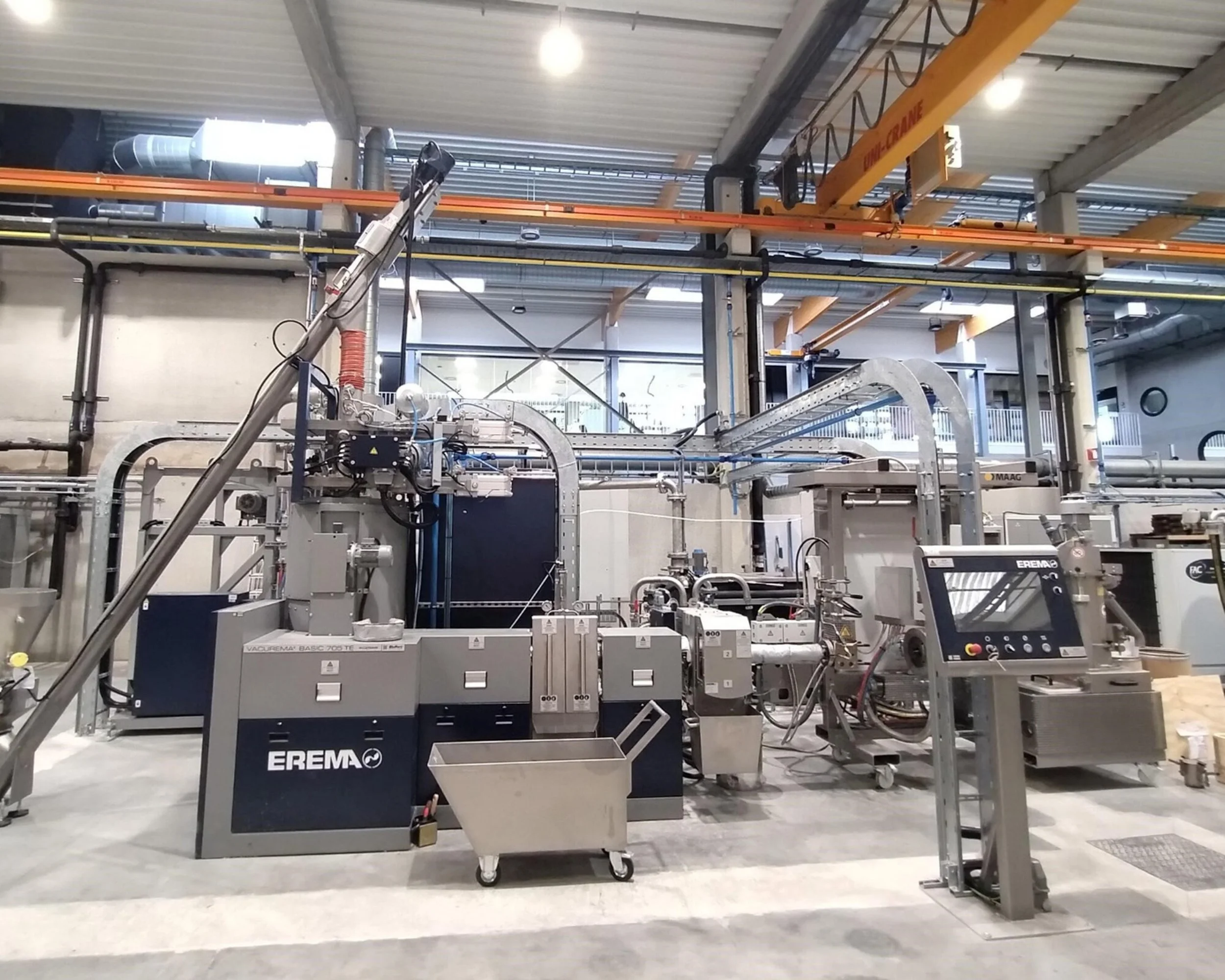
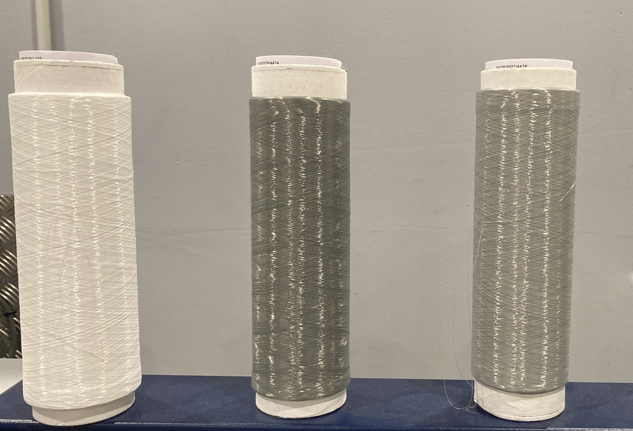
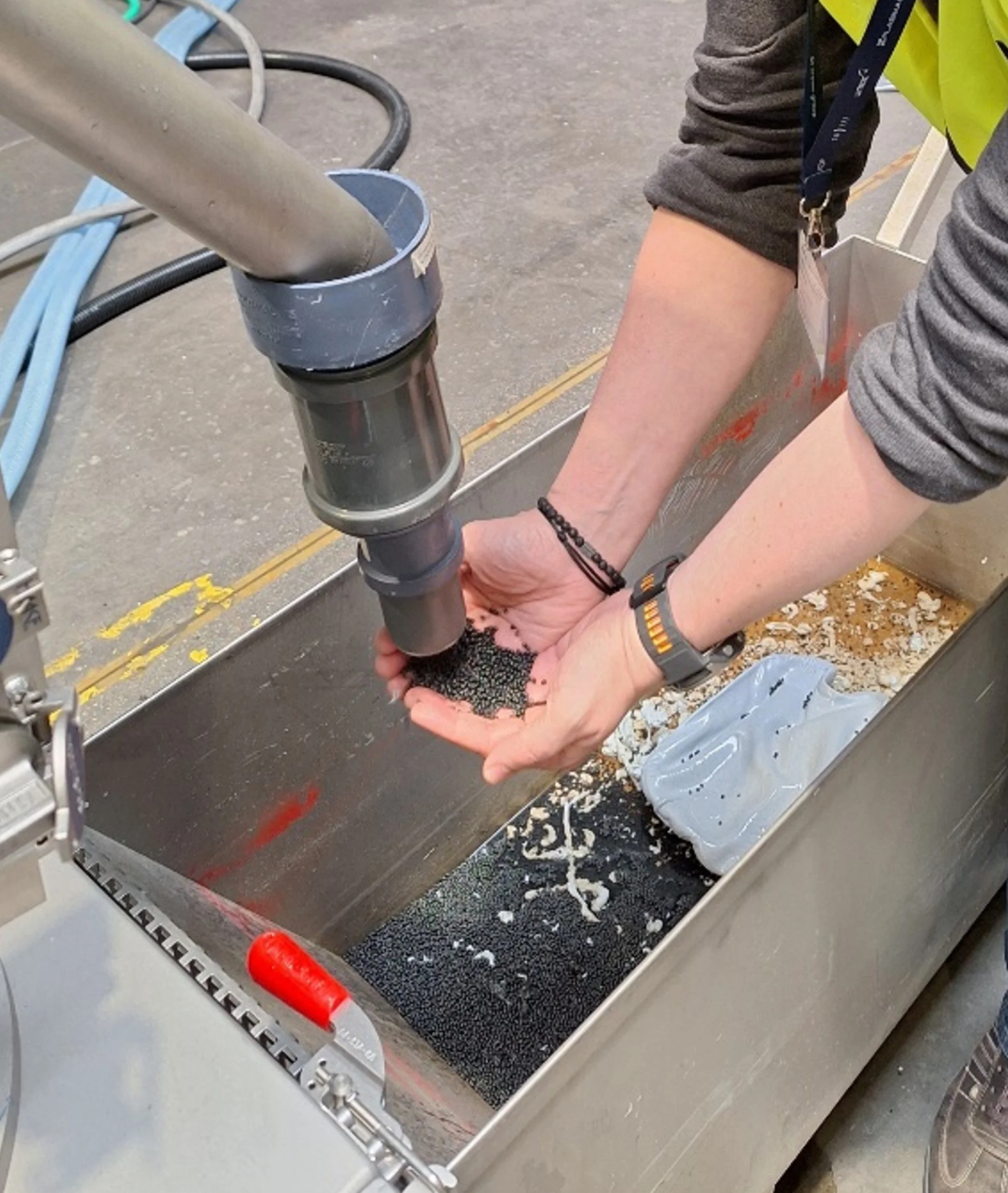
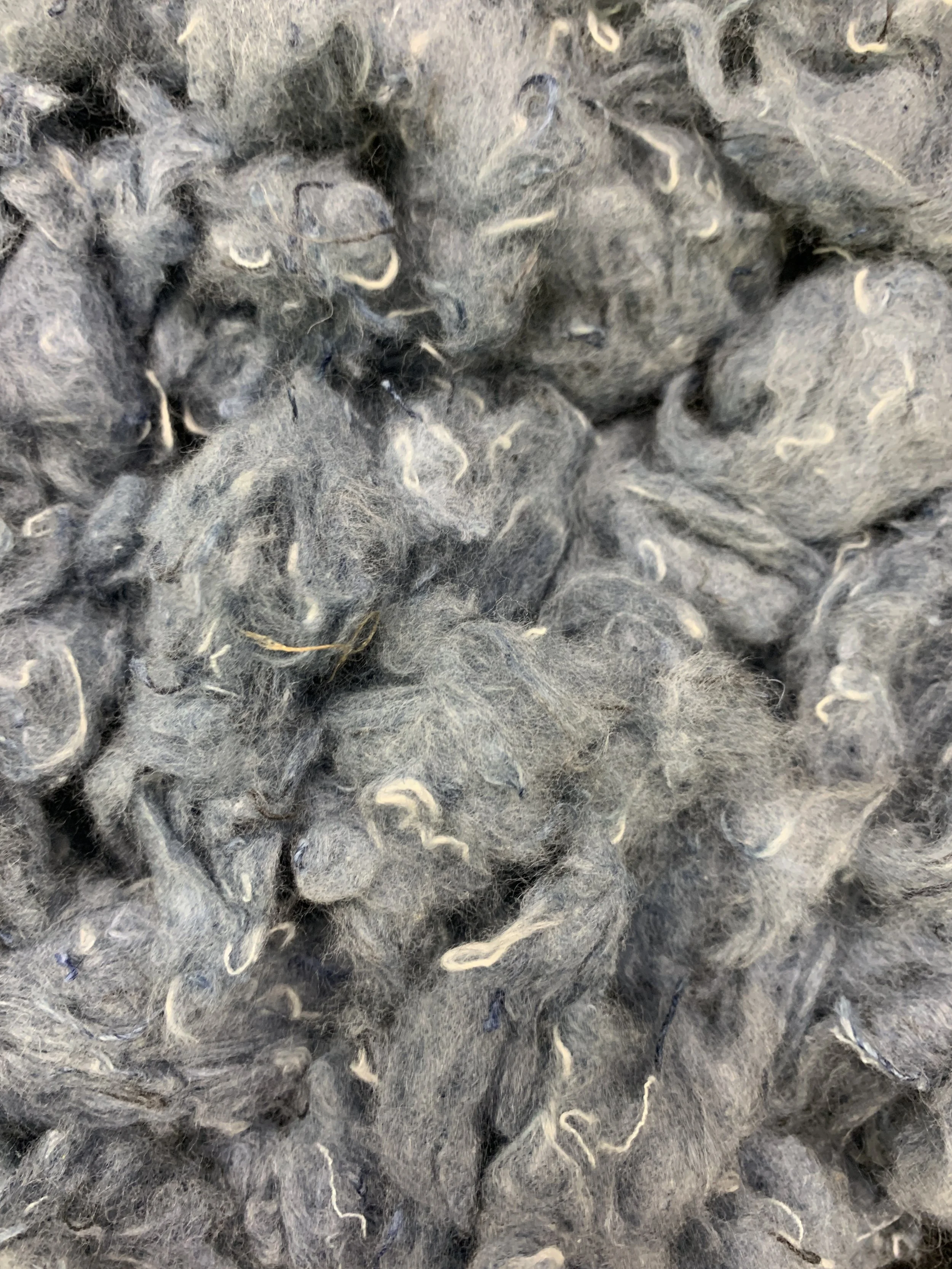
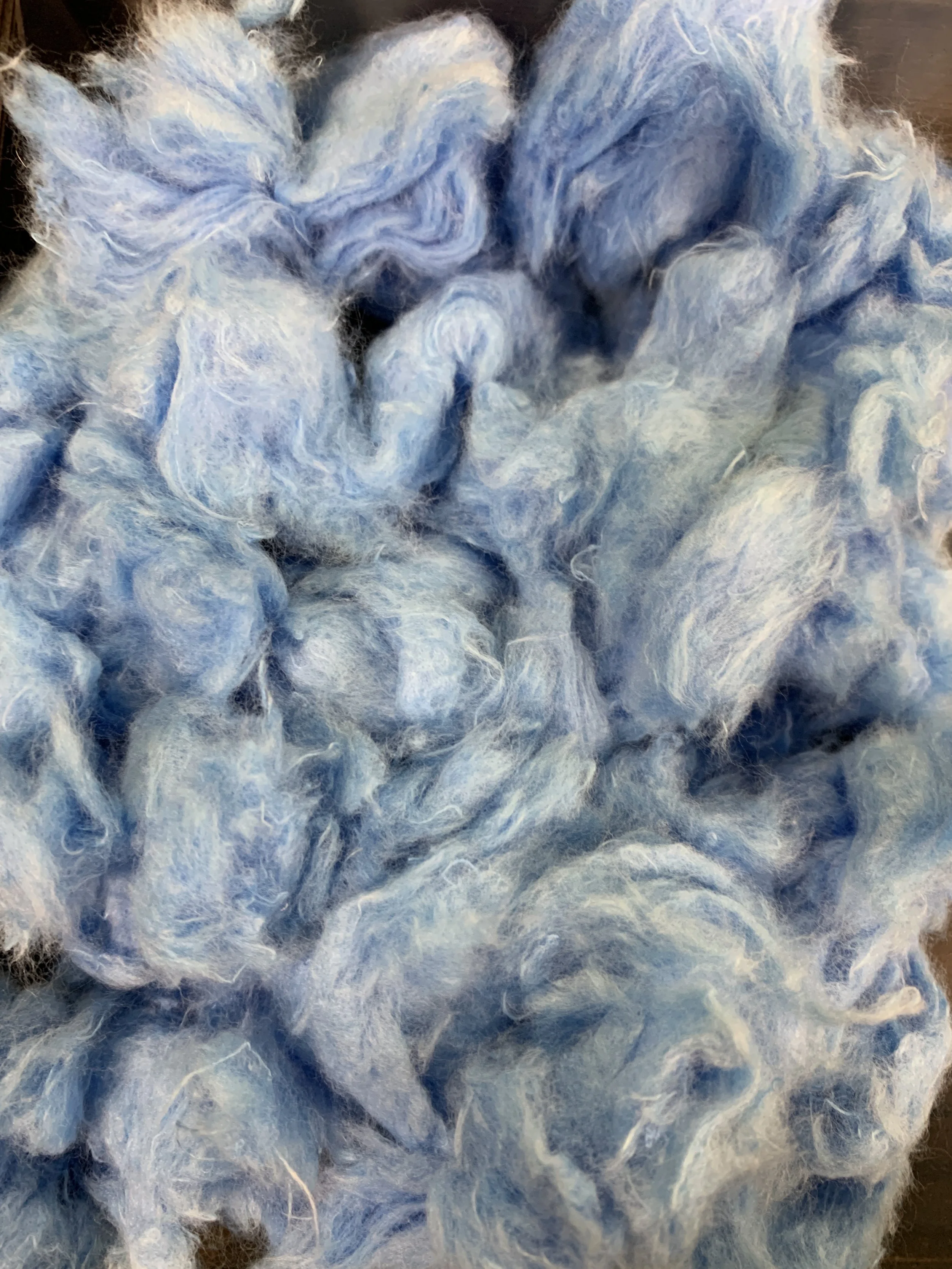
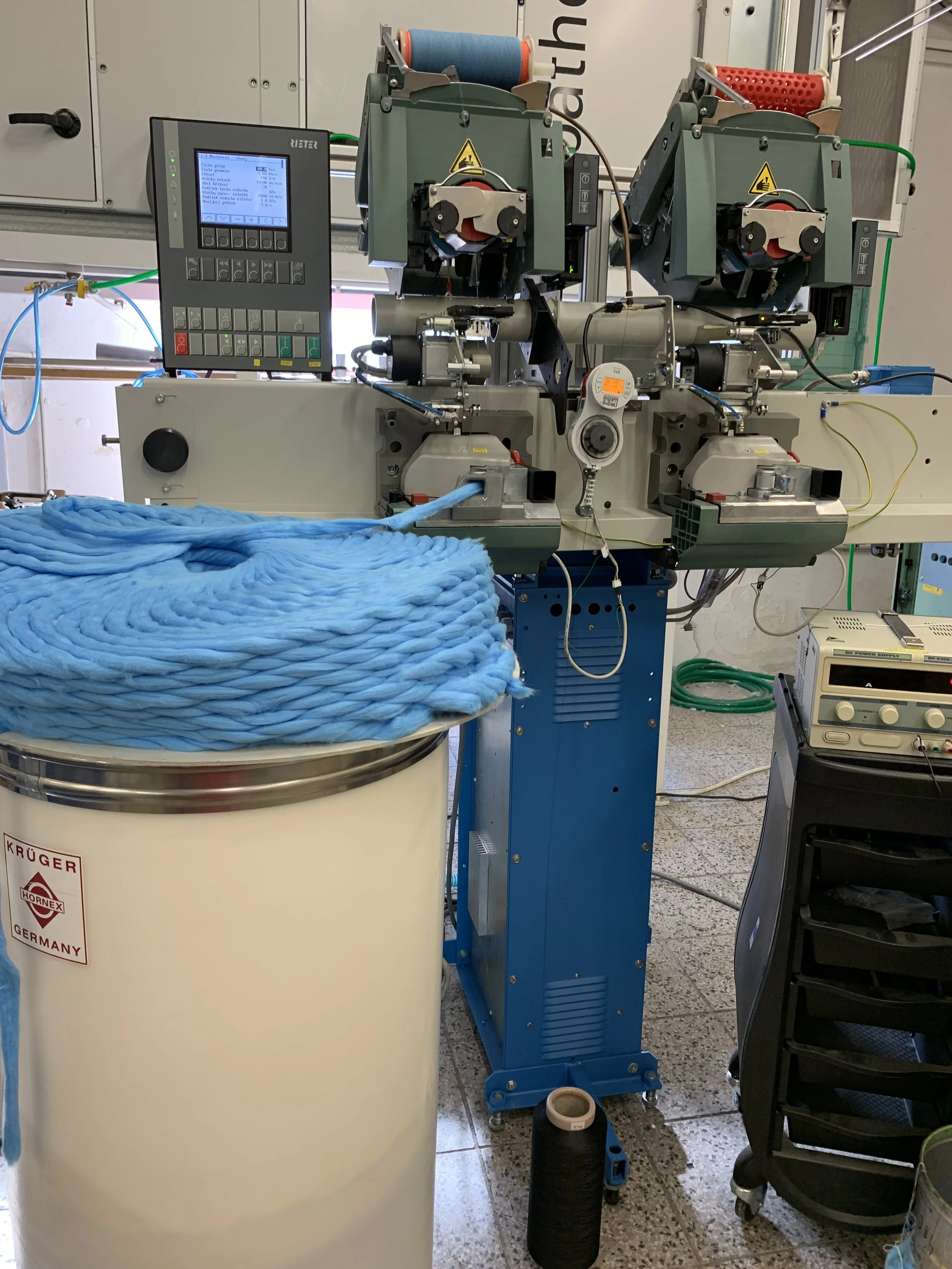
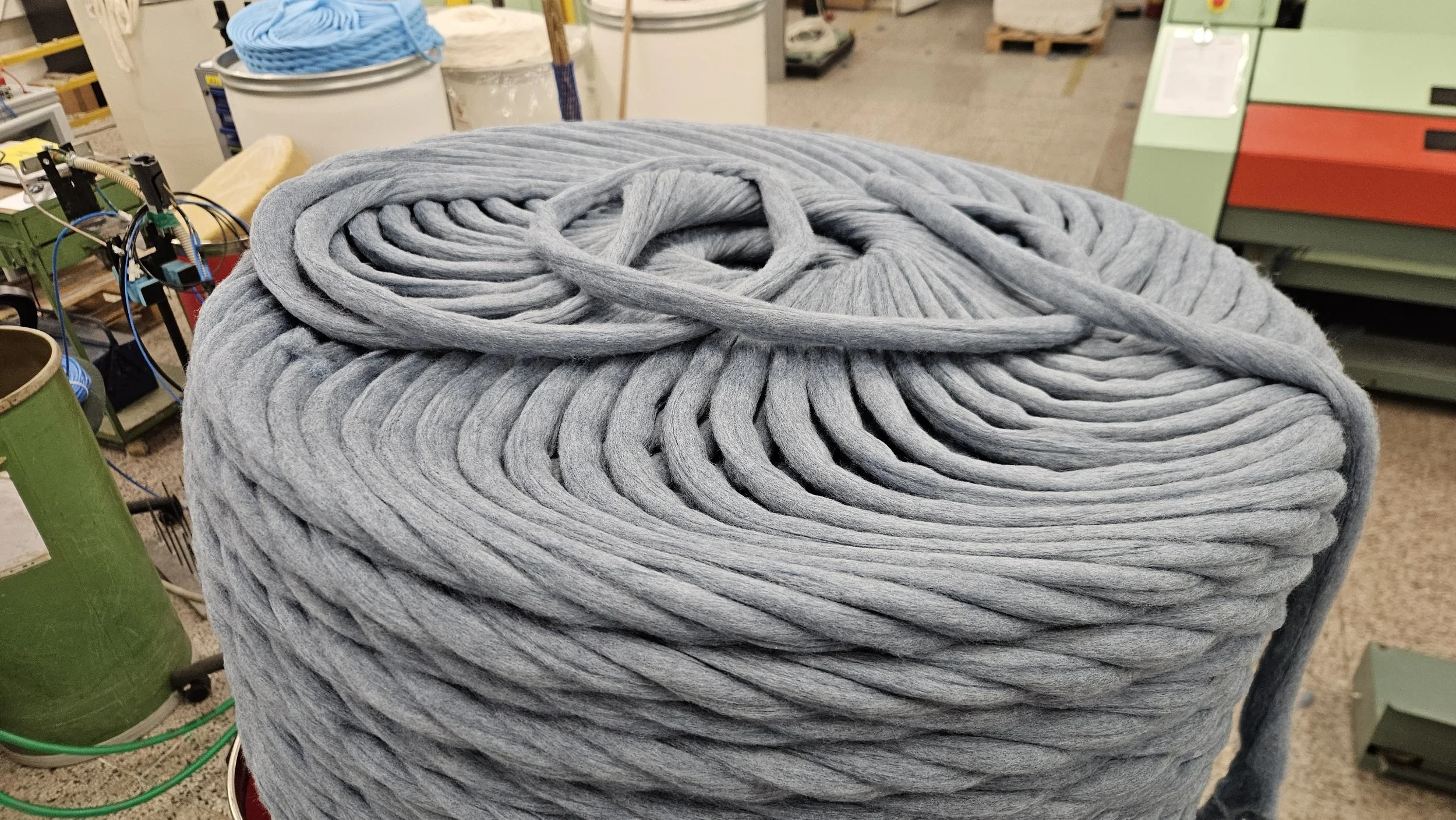
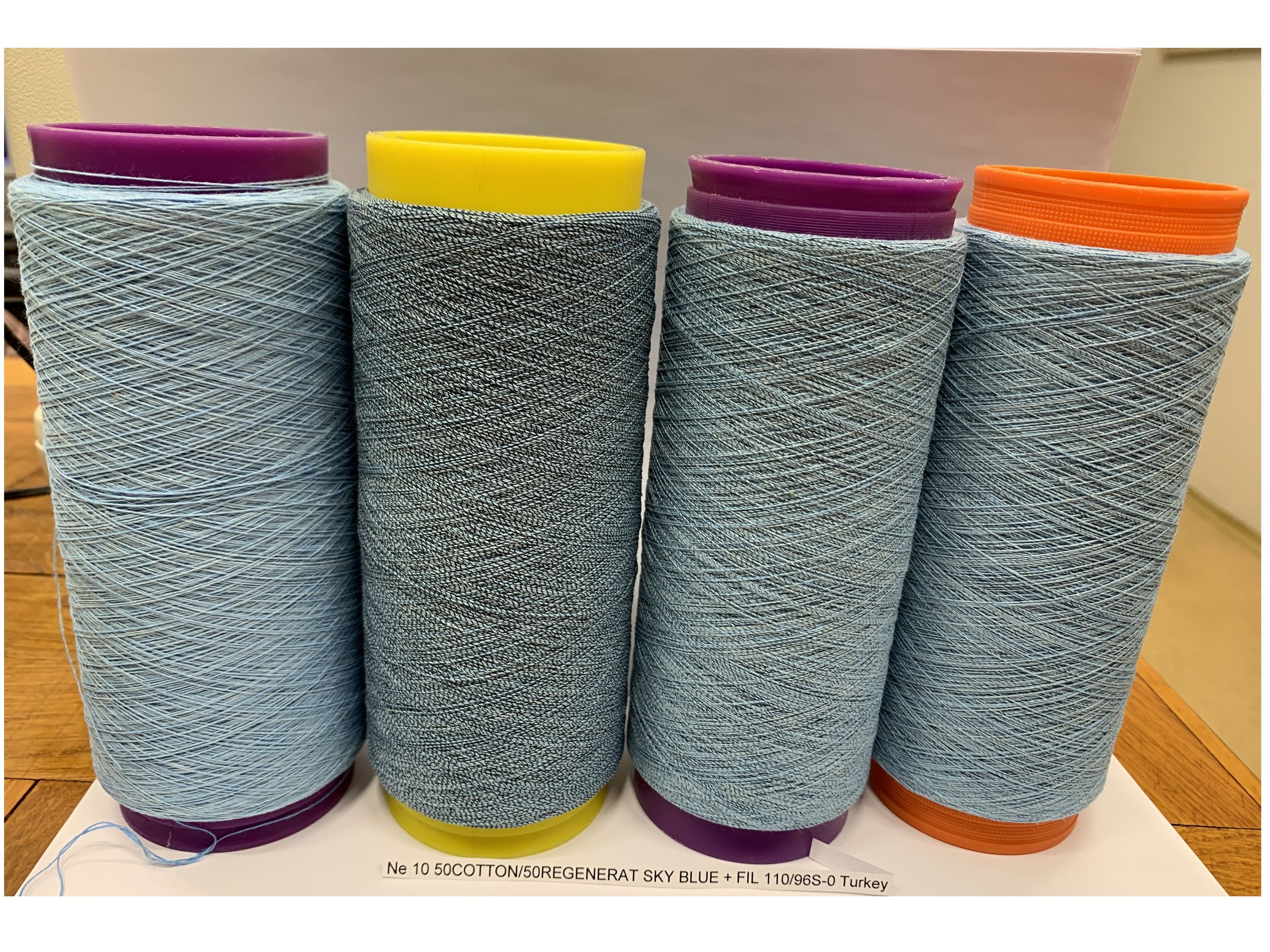
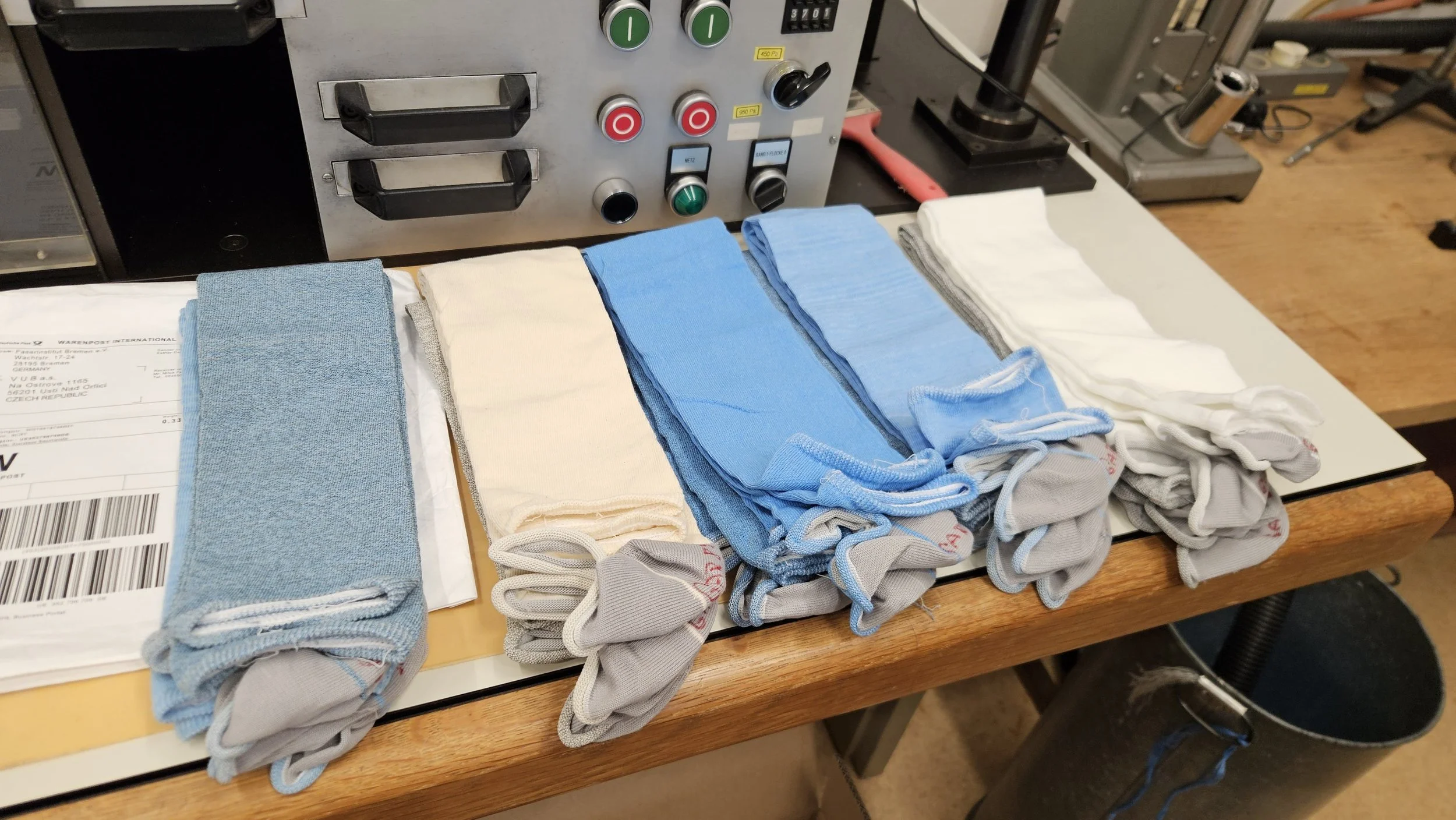
The third pilot on fibre-to-fibre recycling, tackled the problem from several angles at once, turning old polyester and cotton textiles back into yarn good enough to make new clothes from. Recycled polyester often carries the ghost of its former life (old dyes and finishes that dull its colour and quality) so AIMPLAS worked on ways to strip that colour back out, testing solvent-based and CO₂-based de-inking methods to get purer, whiter recycled PET to work with. That cleaner material then fed into a second piece of the puzzle: a dedicated recycling line built by technology provider EREMA and hosted at Centexbel, adapting EREMA's bottle-to-bottle PET recycling know-how to textiles, and successfully turning old polyester textiles into new textile-grade yarn. Alongside this ran the third piece: every time textile waste is shredded back into fibre, the fibres get shorter, and short fibres spin into weaker yarn, prone to pilling and shedding. This is particularly the case for cotton fibres. CISUTAC partners Earth Protex and Lenzing brought a clever fix to the project: as the yarn is spun, a fine reinforcing thread (usually recycled polyester, but also Lenzing man-made cellulosics) is fed in alongside the short recycled fibres, holding them together and giving the yarn back its strength. With engineering support from technical partner VUB, CISUTAC took this from lab trials to real results: yarns with up to 80% recycled content, a retrofit that works on most existing spinning machines. Together, these three steps make a strong case that fibre-to-fibre recycling, for both polyester and cotton, is closer to commercial reality than it was four years ago.
Fostering Circular Behaviours
Technology alone won't make textiles circular, people will. A second strand of CISUTAC's work focused on understanding why consumers do or don't repair, reuse and buy second-hand, and on turning that understanding into real campaigns, guidelines and business models that make circular choices easier.
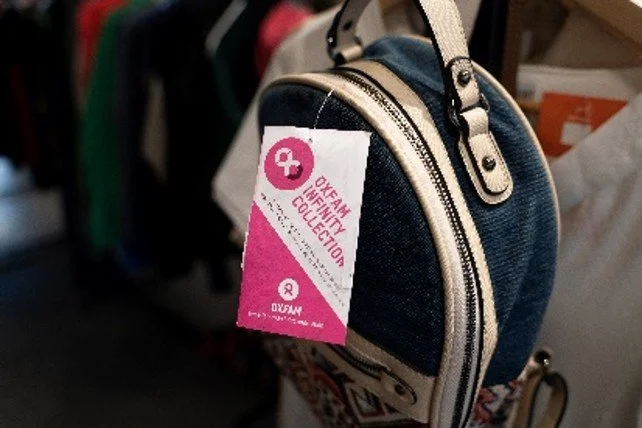
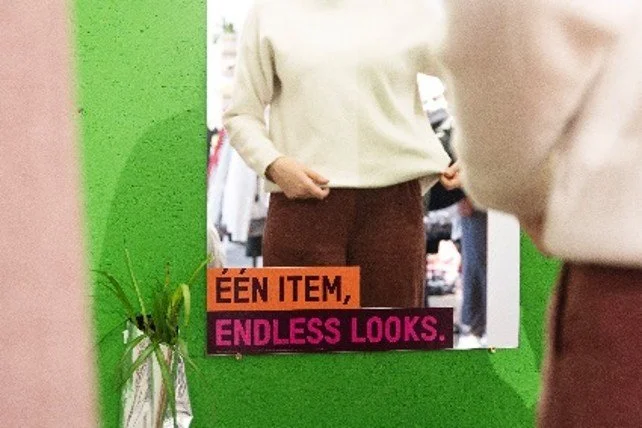
That work began with a large body of consumer research: a large-scale survey, interviews, and real-world interventions including an in-store repair pilot with Kringwinkel and an AI-supported wardrobe-assessment study. The findings (from the emotional value people attach to mending a favourite item, to the very practical barriers of cost and access to tailors) are gathered in CISUTAC's consumer circular-behaviour report and accompanying behaviour-change guidelines, designed to help brands, retailers and local actors design more effective circular interventions.
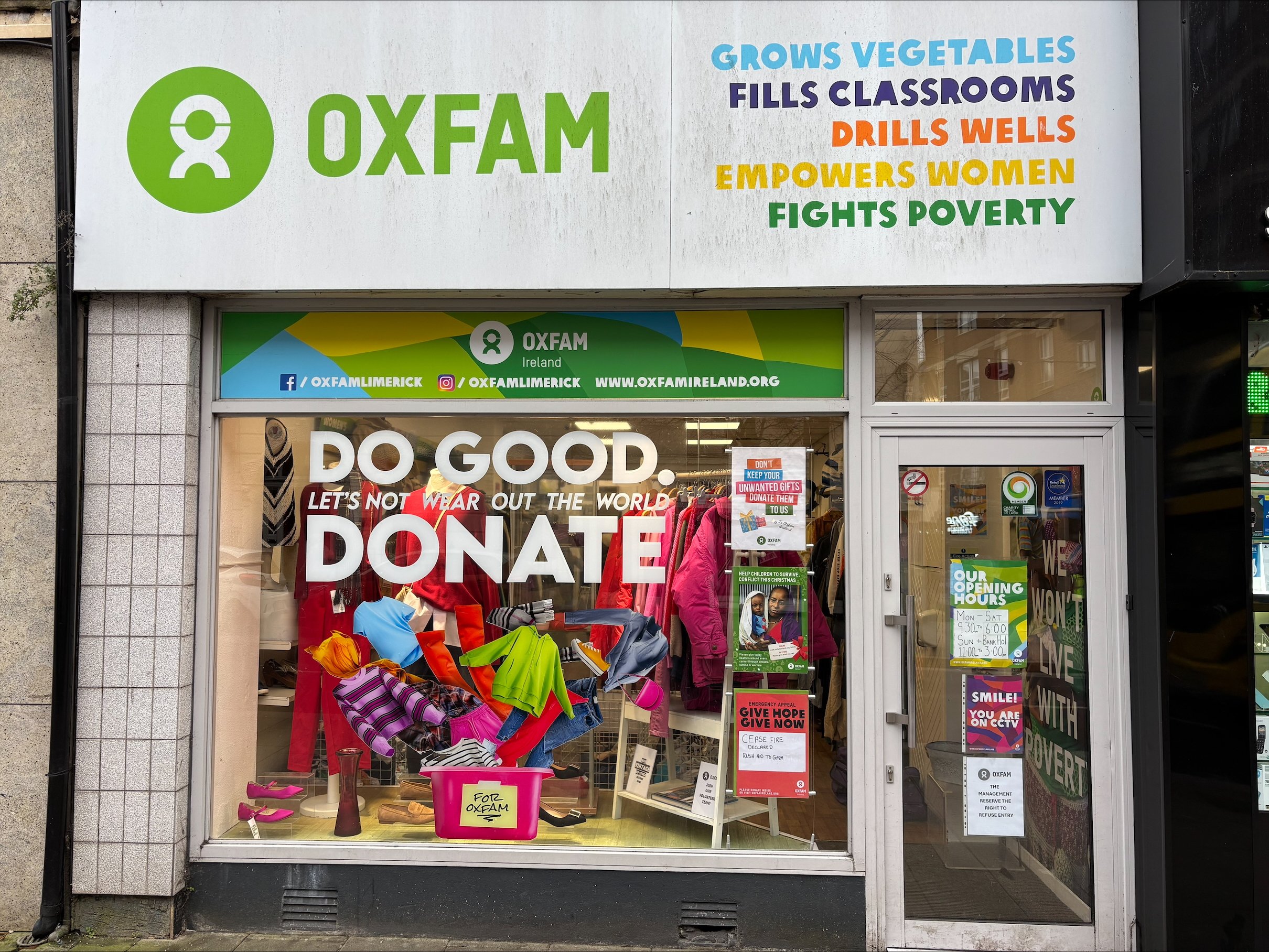
Putting that research into practice, three CISUTAC partners, Oxfam Ireland, Oxfam Belgium and Decathlon Italy, ran tailored national awareness campaigns on donation, repair, reuse and second-hand purchasing, combining digital content, influencer partnerships, in-store activations, repair workshops and styling sessions. Together, the campaigns reached well beyond their combined target of 2 million impressions, and confirmed a consistent lesson, set out in the consumer awareness campaign report: awareness works best when it's paired with an easy, low-effort action, a home collection service, a repair workshop on the doorstep, a styling session in-store. That same session-by-session evidence was discussed live with practitioners in a CISUTAC Sustainability Forum session on understanding consumer behaviour in a circular economy.
Cities and regions are often the closest link between citizens and circular textile systems, which is why CISUTAC also produced dedicated guidelines for local embedding and a link with the Circular Cities and Regions Initiative. Developed by ACR+ in dialogue with the CCRI's Thematic Working Group on Circular Resource Management, they bring together good practices and recommendations for local and regional authorities across three areas: designing effective textile collection systems, managing professional textiles, and incentivising sustainable consumption, themes explored further in a CISUTAC Sustainability Forum session on citizen engagement and the role of local and regional authorities.
Bringing the behavioural evidence together, CISUTAC's shared vision on raising consumer awareness and supporting behavioural change argues that awareness on its own is not enough. Circular textile practices need to be made easy, trustworthy and socially normal, backed by accessible services and consistent, multi-channel communication rather than one-off campaigns.
Finally, CISUTAC turned to the business models that make all of this commercially viable. Developed with project partner RREUSE, "Unlocking Opportunities for Circular Business Models in Textiles: Phasing out Linearity" maps the operational and financial challenges facing repair, reuse and recycling businesses across Europe, and sets out a roadmap for scaling them. Drawing on a stakeholder survey spanning the full textile value chain, it identifies policy and financial support, cross-value-chain collaboration, skills development and consumer engagement as the priorities for scaling circular business models, alongside concrete policy recommendations on overproduction, innovation funding, green public procurement and tax incentives for circular services, and other recommendations further discussed in a CISUTAC Sustainability Forum session on circular business models in textiles.
Thinking Ahead
CISUTAC's last set of results looks beyond the project itself, offering the sector and its policymakers evidence-based tools to plan for what comes next.
Rather than betting on a single prediction, CISUTAC used foresight methodology to build four explorative scenarios for the European textile system in 2035, from a global slow-fashion shift, to a fast-fashion world underpinned by mass recycling, a "quality exclusives" model built on regional repair infrastructure, and a subscription-based "stream your wardrobe" economy. Alongside the scenarios sits a roadmap to 2030, structured around three priority areas (shifting business models, steering consumption patterns, and building infrastructure and data management capacity) with concrete recommendations for the short term (2024-2027) and medium term (2027-2030).
That same emphasis on preparing for what's coming runs through CISUTAC's Open Data Guide, written by RISE and Global Textile Scheme to help brands, retailers and supply chains make the most of the incoming Digital Product Passport. It establishes a shared vocabulary and practical data standards connecting product-level information with what sorters, recyclers and reuse operators actually need on the ground, building directly on the decision-support tool and semi-automated sorting pilot described earlier, and pointing to a wider truth in CISUTAC's work: the Digital Product Passport is a powerful enabler, but it can't replace the physical, at-collection assessment of a garment's condition. A CISUTAC Sustainability Forum session on the Digital Product Passport and digitalisation in textile sorting explored this in more depth, while another Forum on EU policy developments impacting textile circularity mentioned it more broadly.
That same forward-looking approach underpins CISUTAC's sustainability assessment summary with policy recommendations, which uses an integrated Life Cycle Sustainability Assessment to compare business-as-usual against two circular pathways (re-commerce and repair, and fibre-to-fibre recycling) across a 2020-2050 horizon. The best strategy shifts over time: fibre-to-fibre recycling delivers the strongest benefit in the short term, up to 2030, while re-commerce and repair takes the lead beyond that, as the structural cost of chemical recycling starts to outweigh its climate gains. This two-phase reading feeds into five policy recommendations, from enforcing mandatory separate collection under the Waste Framework Directive to sustaining R&D investment in textile recycling, recommendations echoed by Decathlon's own industry perspective.
Much of CISUTAC's forward-looking work is captured in a series of shared visions, concise policy positions built directly on the project's evidence, aimed at shaping the EU's circular textile framework as it takes shape.
On textile waste management and circular material flows, CISUTAC argues that waste management should become a value-retention system rather than merely a collection obligation, prioritising prevention, reuse and repair ahead of recycling, improving sorting and data flows, and creating the market conditions for high-quality, fibre-to-fibre recycling to scale.
On public procurement, the project calls for public authorities (who purchase around 14% of EU GDP in goods and services) to move beyond lowest price and reward long-term value, a vision paired with detailed Public Procurement Guidelines for Textiles offering contracting authorities practical tools and criteria across the full procurement cycle, with a particular focus on workwear, uniforms and PPE.
On ecodesign, repairability and recyclability, CISUTAC makes the case that durability and repairability should be built into textile products from the design stage rather than treated as afterthoughts, drawing on its own repair and dismantling pilots and Open Data Guide to show how upstream design choices determine whether a garment can be kept in use at all.
On waste prevention and reduction, the project tackles the root of the problem (overproduction, which drives around 80% of a textile product's lifecycle emissions) with recommendations to disincentivise the destruction of unsold goods and scale up reuse and repair as the first line of defence.
On standardisation, CISUTAC makes the case that standards shouldn't be seen as a technical hurdle, but as the practical bridge that turns circular ambitions into compliant, market-ready products, proposing a 7-step pathway to help businesses build compliance in from the start, rather than treat it as a final check.
And with mandatory separate collection of textiles now in force across the EU and an EU-wide EPR scheme on the horizon, CISUTAC's vision for a European Extended Producer Responsibility scheme that drives circularity sets out the principles needed to make it work: harmonised rules, science-based eco-modulation, transparent governance, and dedicated funding for reuse and repair.
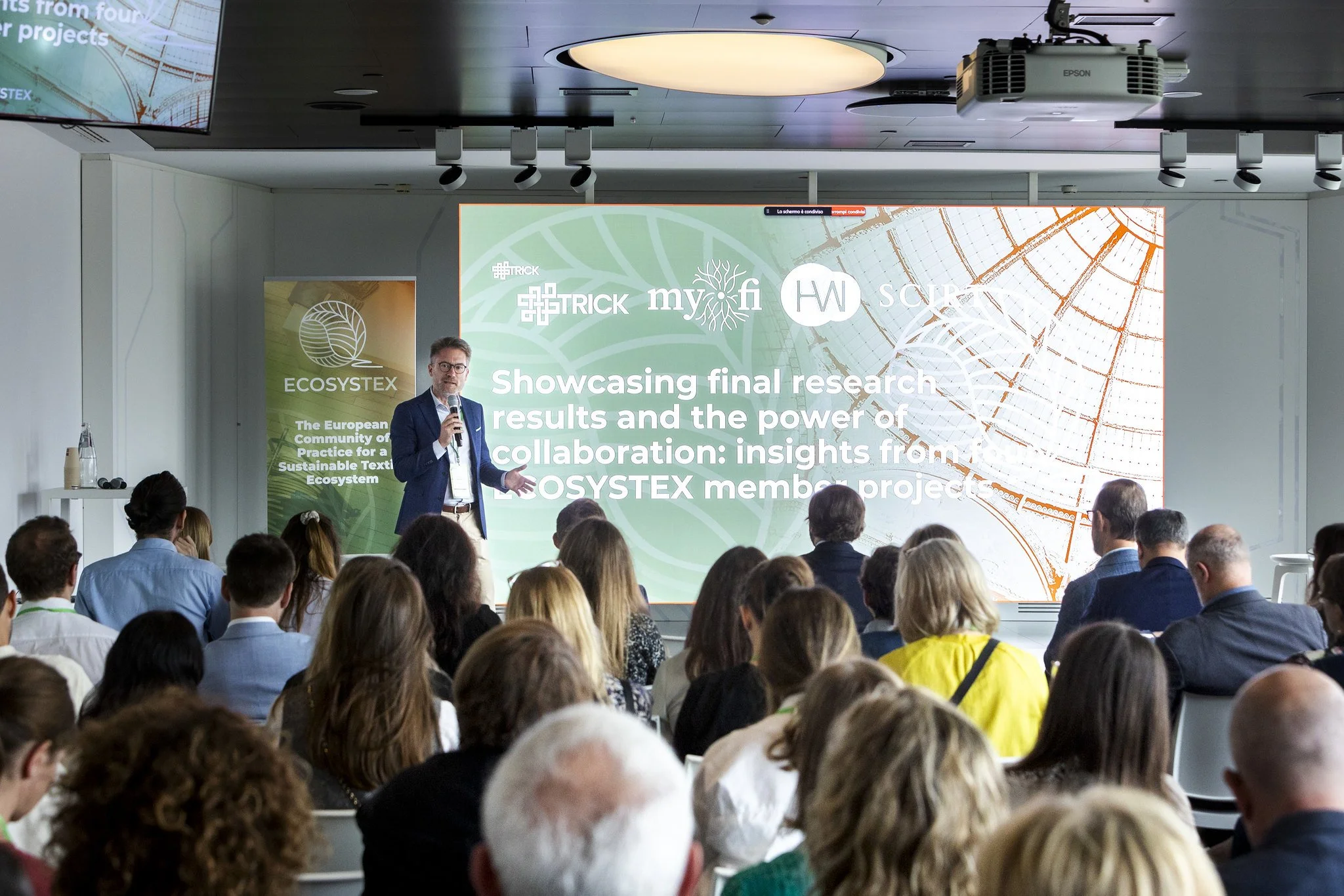
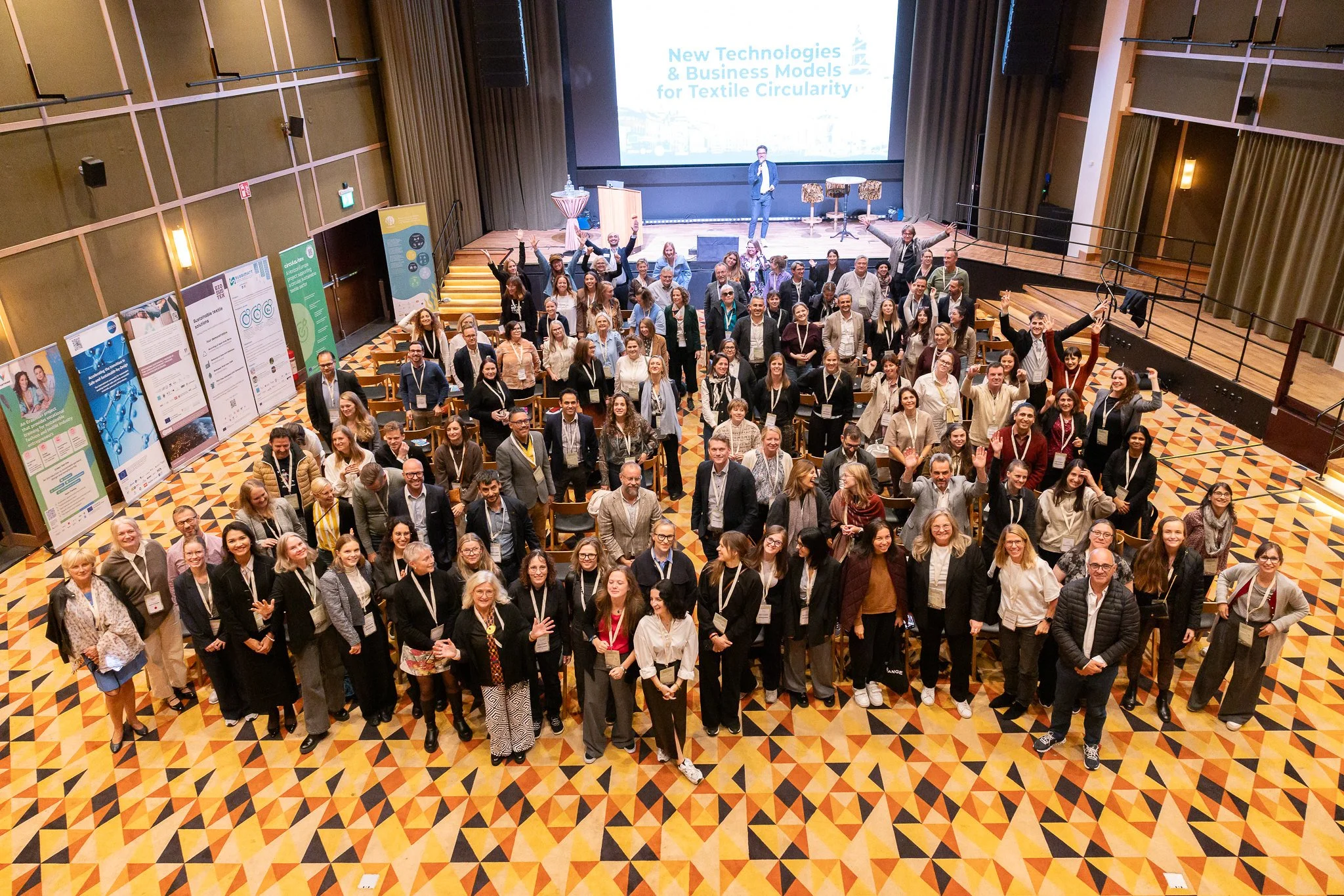
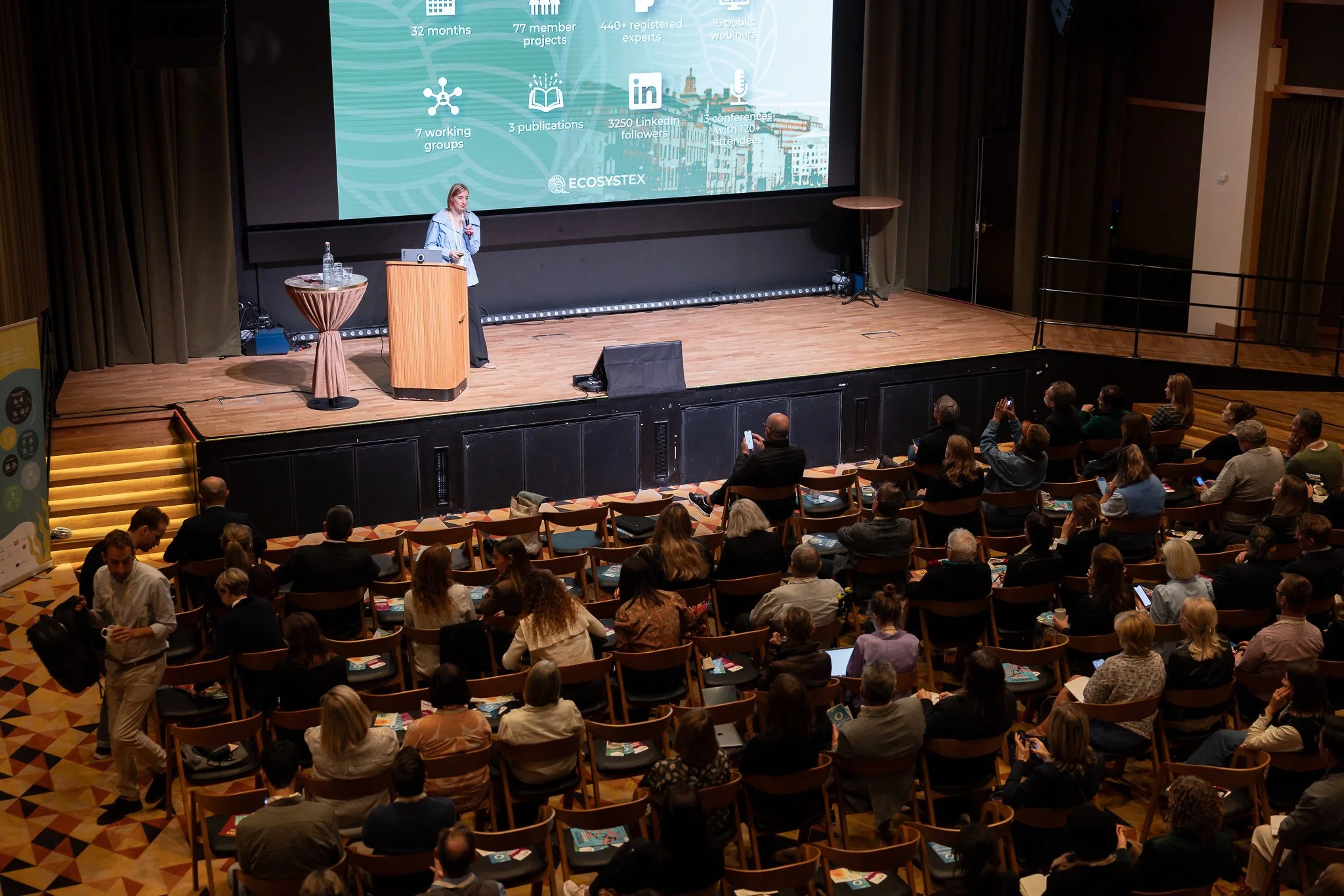
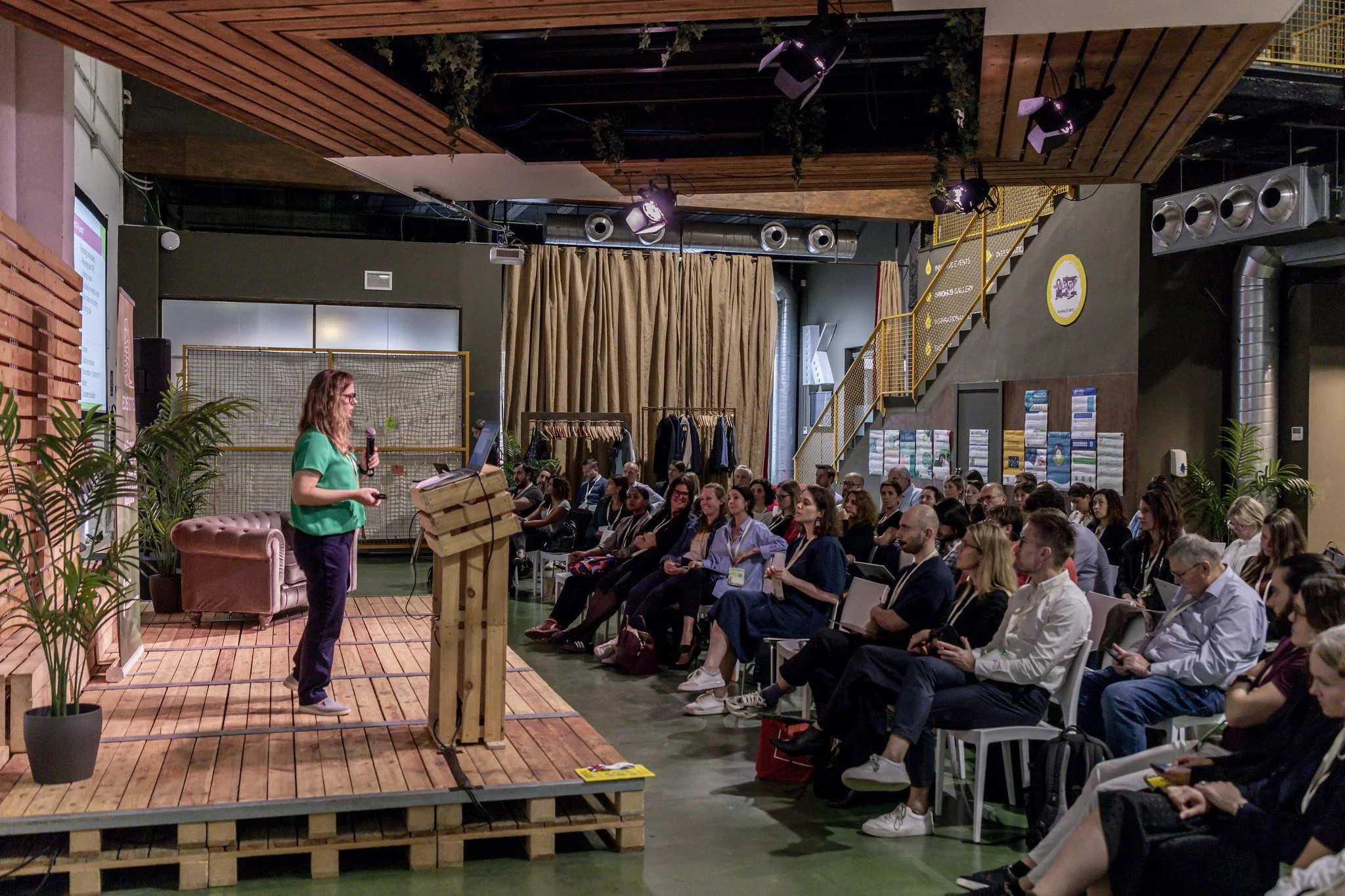
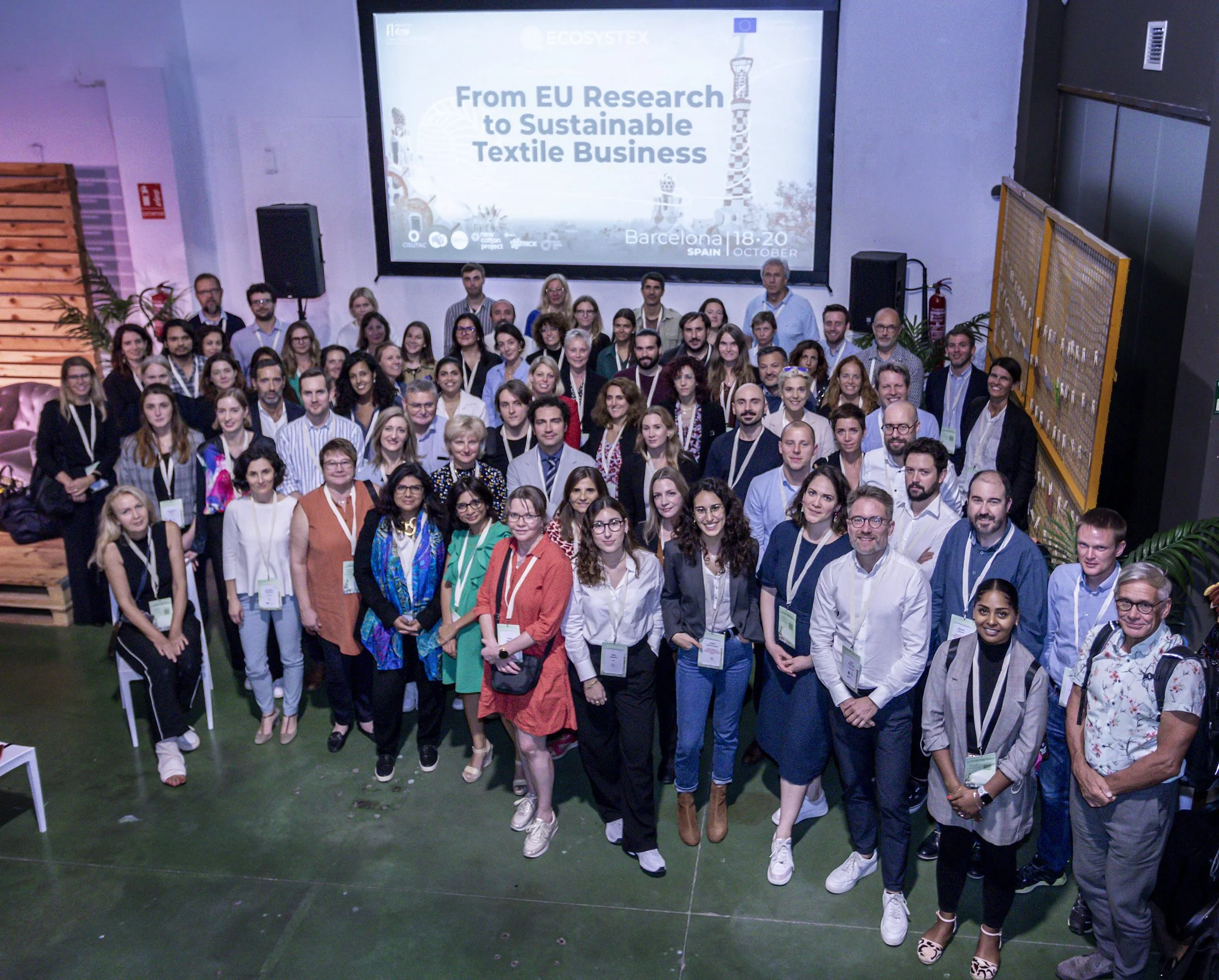
Throughout the project, CISUTAC has also played a founding role in the wider research landscape by creating ECOSYSTEX, the European Community of Practice for a Sustainable Textile Ecosystem. Supported by the European Commission's Horizon Europe programme and the Circular Bio-based Europe Joint Undertaking, and facilitated by the Textile ETP, this network of textile circularity projects aims to build a long-term community of practice, ensuring collaboration across project consortia that lasts well beyond the duration of any single project, a reminder that no single project can solve textile circularity alone, and that the sector's progress depends on sharing evidence, tools and lessons learned as widely as possible. What started as a CISUTAC-led effort has since grown into a network of over 100 projects as of Summer 2026. CISUTAC presented its work in 6 ECOSYSTEX Insight Series webinars, at the first ECOSYSTEX Conference in Barcelona in October 2023, and brought the project full circle by hosting its final event at the fourth ECOSYSTEX Conference in Antwerp in September 2026, helping to align research efforts across Europe and amplify collective impact on EU textile policy.
Over four years, CISUTAC has shown that circularity in textiles isn't one breakthrough away but a system of interconnected pieces: better sorting data, workable repair and recycling technologies, consumers who are supported rather than blamed, and a policy framework that finally rewards durability over disposability. The tools, data, guidelines and evidence gathered along the CISUTAC’s journey are now openly available for the sector to build on.
Discover CISUTAC in more details: