

Shared visions and recommendations
Within CISUTAC, partners are developing a shared vision for a more circular and sustainable EU textile sector based on an assessment of EU developments enabling circularity, and national measures to implement the mandatory separate collection of discarded textiles.
The visions explore different elements of circularity and advises on strategic directions to identify relevant innovation gaps and possible solutions emerging from CISUTAC.
-

CISUTAC vision for a Circular and Sustainable EU textile Sector: Using standardisation to build compliant circular textile businesses
14 September 2026 - The transition to circular textiles in Europe is increasingly shaped by regulation, market expectations, product safety requirements, data transparency and harmonised standards.
CISUTAC's shared vision is that standardisation should become a practical bridge between circular innovation and market compliance. Rather than being viewed as technical documents reserved for experts, standards should help organisations design better products, prove performance, communicate credible claims and demonstrate compliance, while supporting consumer trust and acceptance through credible claims, transparent product information and Digital Product Passport requirements.
-
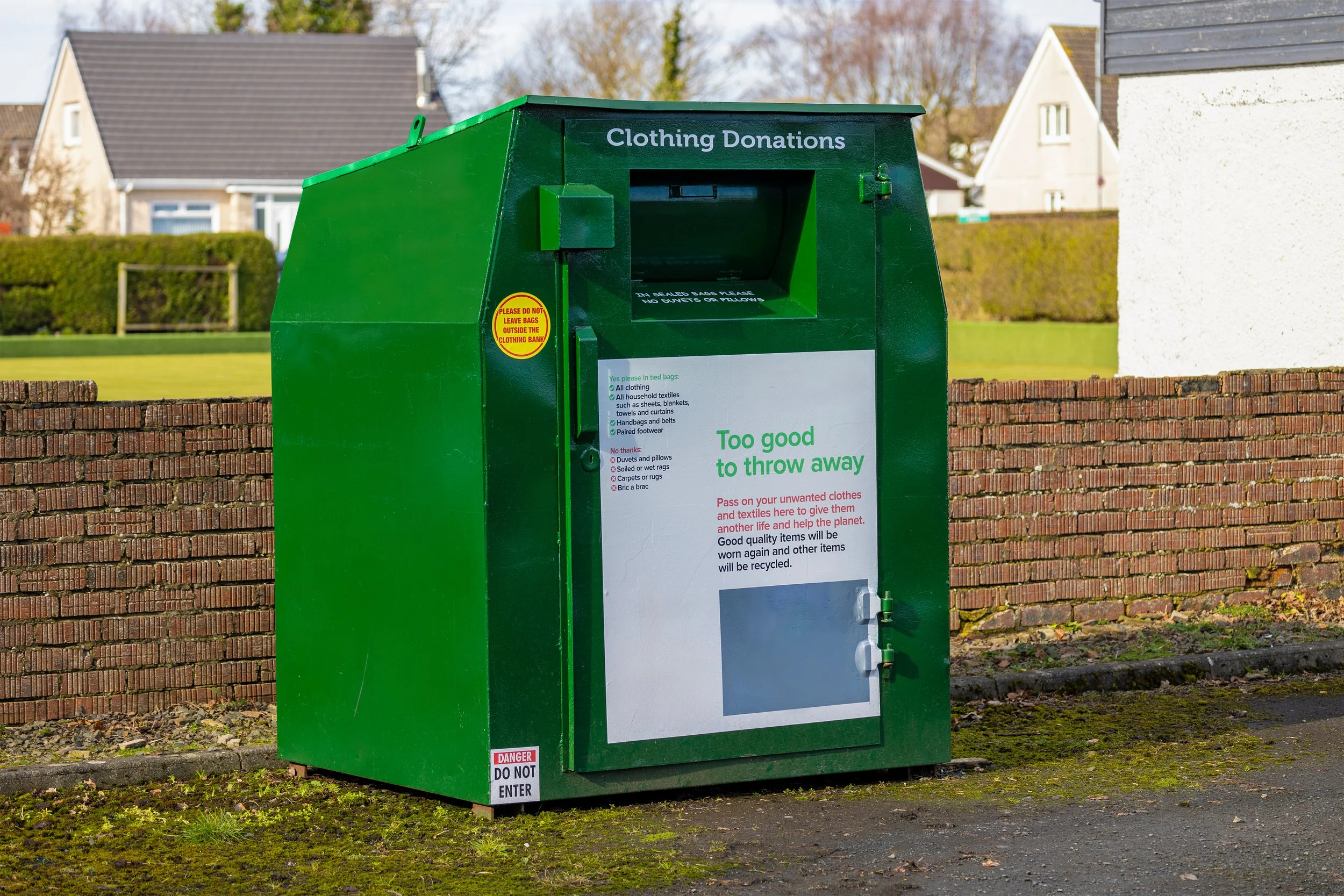
CISUTAC shared vision for a Circular and Sustainable EU textile Sector: Strengthening textile waste management and circular material flows
23 July 2026 - The mandatory separate collection of textile waste from 2025, the introduction of EU-wide Extended Producer Responsibility schemes for textiles, the Ecodesign for Sustainable Products Regulation, the Digital Product Passport and the forthcoming Circular Economy Act are all changing the way textiles will be designed, collected, sorted, reused, repaired and recycled.
CISUTAC’s vision is that textile waste management should become a value-retention system, not only a waste collection obligation. It should support the waste hierarchy, prioritise prevention, reuse and repair, improve sorting and data flows, enable high-quality recycling, and create the conditions for circular textile value chains to develop in Europe.
-
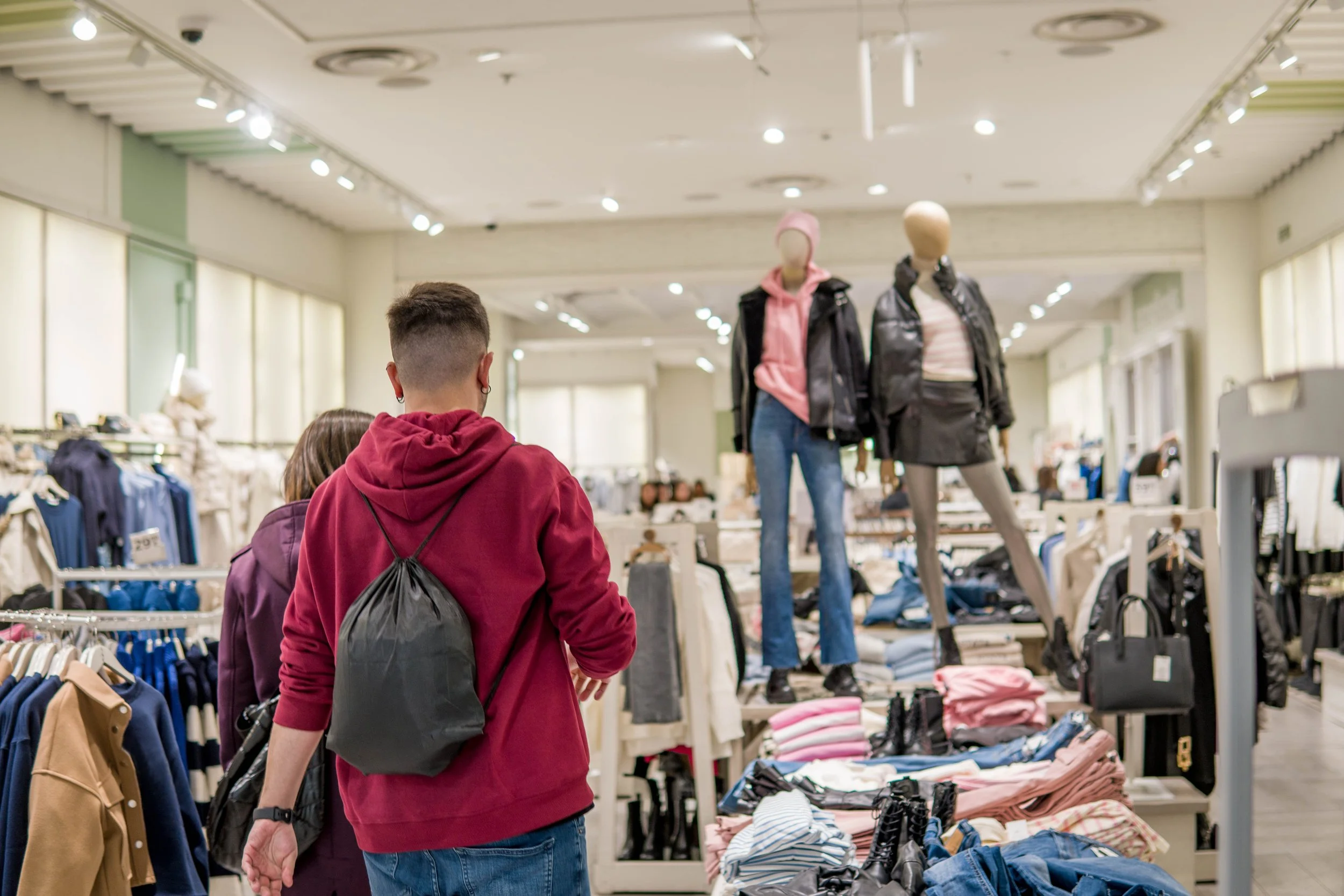
CISUTAC shared vision for a Circular and Sustainable EU textile Sector: Raising consumer awareness and supporting behavioural change
23 July 2026 - The transition towards circular textiles will not be achieved through technology, regulation and business model innovation alone. Consumers also play a central role. How people buy, use, care for, repair, donate, resell and dispose of clothing directly influences the environmental impact of textiles and the viability of circular models such as reuse, repair and second-hand purchasing.
CISUTAC’s vision is to support a cultural and behavioural transition in which circular textile practices become standard practice, accessible, and desirable. Consumers should not be seen only as recipients of information, but as active participants in circular textile systems.
-

CISUTAC shared vision for a Circular and Sustainable EU textile Sector: Unlocking the potential of public procurement
23 July 2026 - Public authorities purchase large volumes of goods and services, representing around 14% of EU GDP. This gives them significant influence over what the market produces, how products are designed, and which solutions are scaled.
CISUTAC’s vision is that public procurement should become a strategic driver for circular textiles in Europe. It should help public authorities buy better, use products longer, reduce waste, and create demand for products and services that retain value across their life cycle.
-
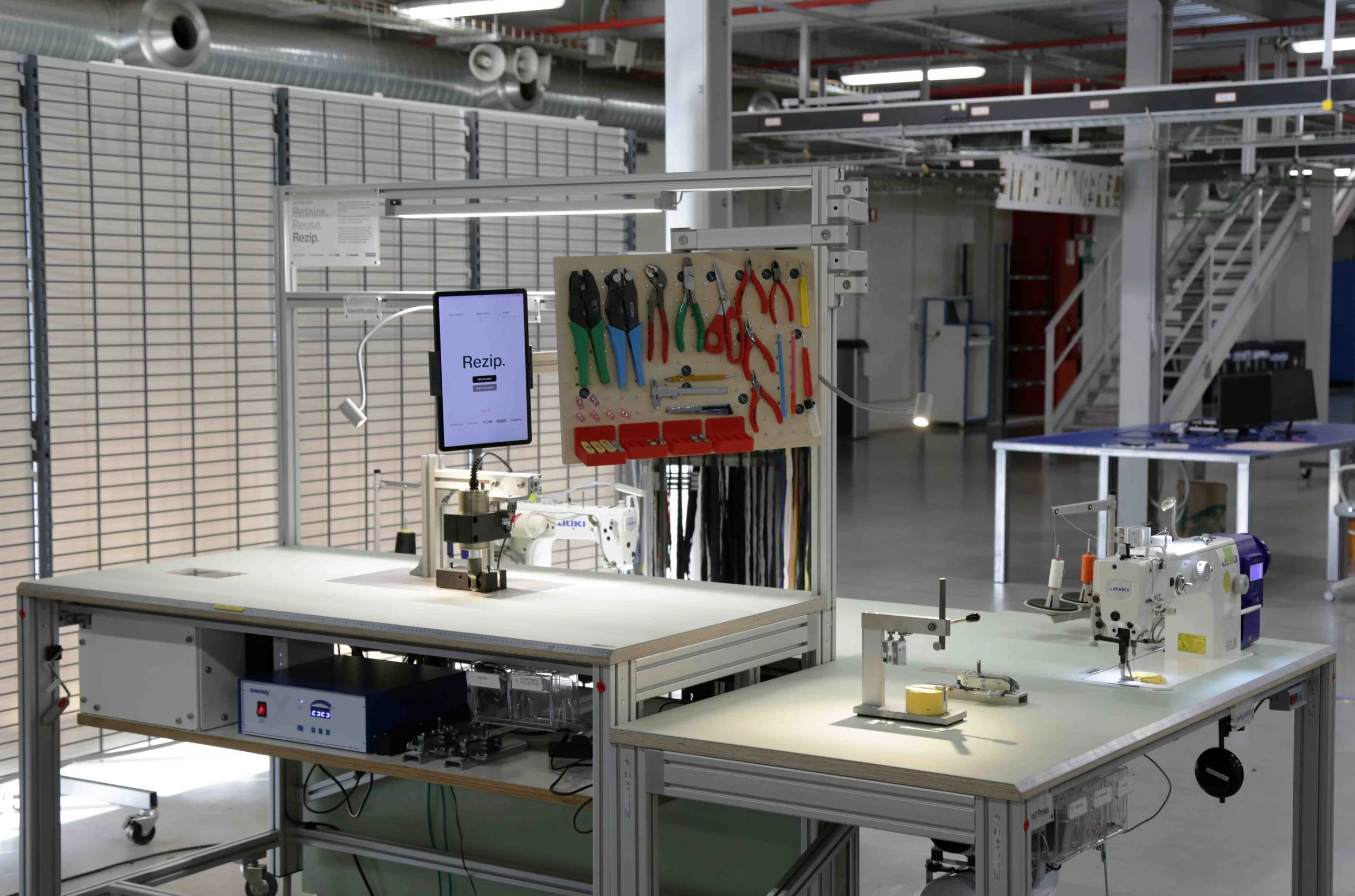
CISUTAC shared vision for a Circular and Sustainable EU textile Sector: Advancing ecodesign, repairability and recyclability
23 July 2026 - Europe faces growing challenges linked to overconsumption, textile waste, declining product quality, increasing pressure on collection, sorting and recycling systems, and persistent technological gaps in the large-scale identification, sorting and processing of post-consumer textiles for high-quality recycling.
CISUTAC’s shared vision is that textiles and clothing products placed on the EU market should be designed from the outset to remain in use for longer, retain value across multiple life cycles, and support economically viable systems for repair, reuse and high-quality recycling.
-
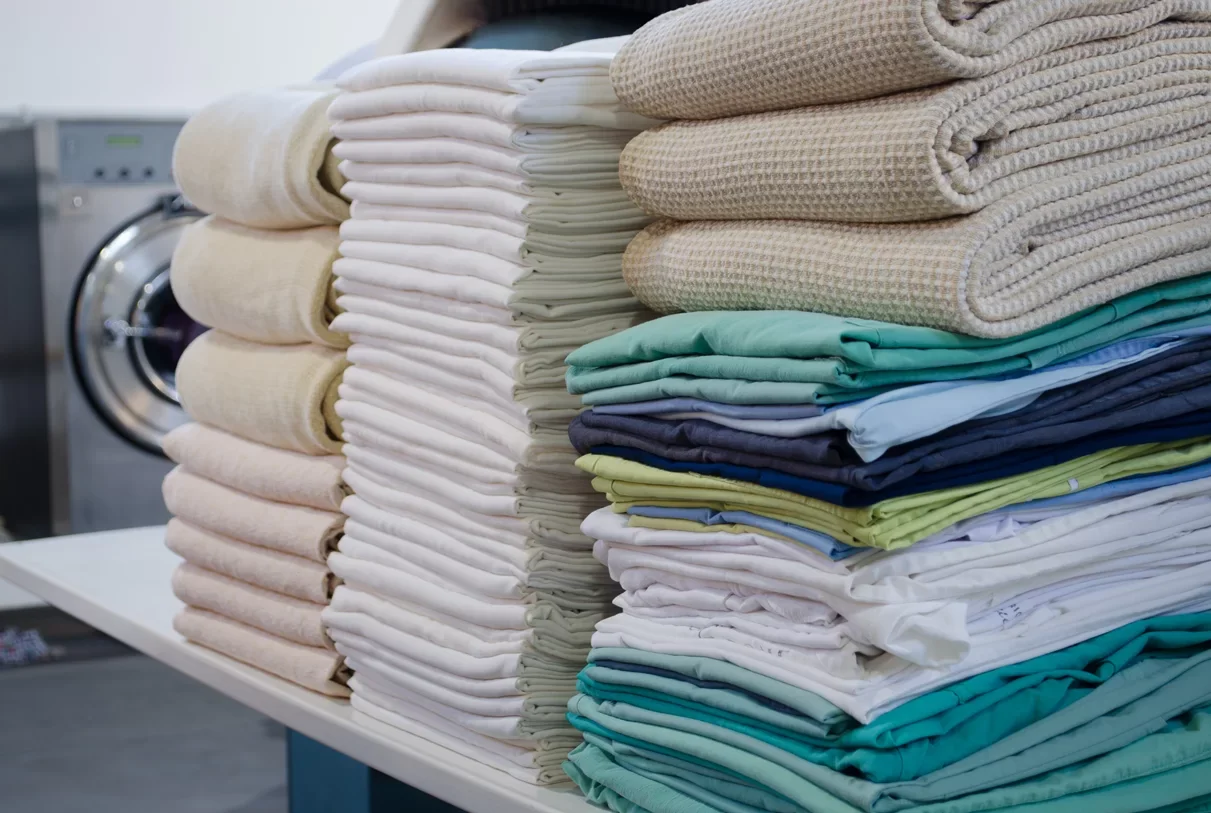
CISUTAC Public Procurement Guidelines for Textiles
11 May 2026 - Public procurement represents a strategic lever to accelerate the transition towards a more circular, resilient and competitive European textile sector.
CISUTAC guidelines support contracting authorities in integrating circular economy principles into the procurement of professional textiles, with a focus on workwear, uniforms and PPE. They provide practical recommendations, tools and good practices across the full procurement cycle and builds on existing European, national and regional guidance, as well as insights from EU-funded projects and stakeholder consultations.
-

CISUTAC shared vision for a Circular and Sustainable EU Textile Sector: Supporting waste prevention and reduction
3 September 2024 - At the top of the waste hierarchy, waste prevention measures are pivotal to achieving the textile sector’s transition towards circularity.
The role of prevention and reuse of textile waste represents a significant potential for reducing greenhouse emissions. CISUTAC provides policy recommendations supporting waste prevention and reduction and advances their realisation by filling technological and knowledge gaps through several pilots and activities.
-

CISUTAC shared vision for a Circular and Sustainable EU Textile Sector: A European EPR that drives circularity
29 November 2023 - Extended Producer Responsibility (EPR) aims to ensure that producers contribute to the costs of waste management and bear financial responsibility or financial and organizational responsibility for the end-of-life phase of their products. EPR has been identified as a key element of CISUTAC vision. If properly implemented, EPR could reduce the environmental impact of textiles, promote circular business models such as reuse and recycling, and contribute to more efficient end-of-life management. CISUTAC vision on EPR proposes a set of guiding principles for an EU-wide textiles EPR that supports the shift to circular economy.