Increasing Circularity and Sustainability in Textiles and Clothing in Europe

 

CISUTAC’s fields of application

Fashion

Today, less than 50% of used clothes are collected when they are no longer needed, and only 1% are recycled into new clothes. CISUTAC aims at improving sorting for reuse and repair, and promoting efficient management and utilisation of textile wastes, replacing virgin fibres with recycled fibres.

Workwear & PPE

Protective workwear is made with technical textiles, for which few recycling options exist today. CISUTAC aims at implementing a fully circular value chain, which still requires cost-efficient dismantling, sustainable and circular designs, and approval from public authorities.

Active goods

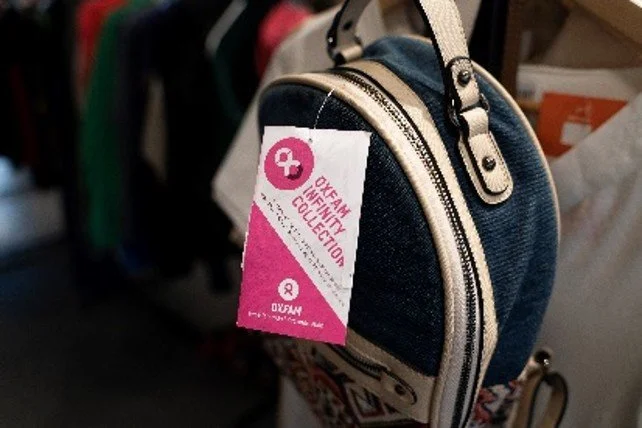
Outdoor gear (backpacks, tents, etc.) and sportswear are complex products with several components. CISUTAC aims at enabling repair (and dismantling) which will extend the product life and facilitate recycling when repair is no longer possible

Discover what CISUTAC is up to

Interested in learning more about CISUTAC’s latest developments and innovations? Read our blogposts!
If you want to be kept up to date on our latest news, subscribe to our newsletter!

  • CISUTAC's solution for post-consumer textile waste management

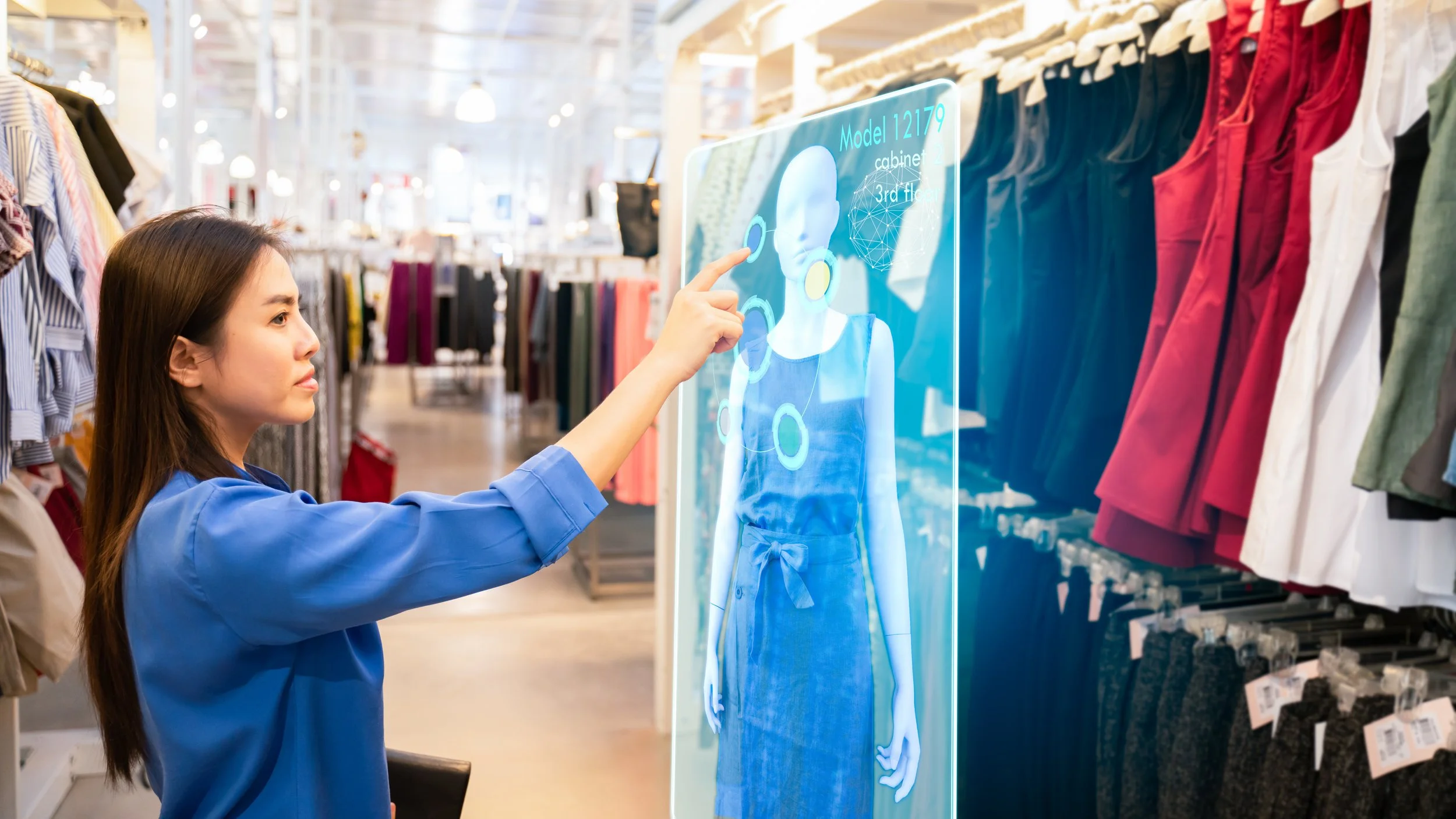
    Our open-sourced tool revolutionises the way we approach post-consumer textile waste by prioritising data points for efficient sorting to reuse, and recycling.

  • CISUTAC shared visions

    Within CISUTAC, partners are developing a shared vision for a more circular and sustainable EU textile sector based on an assessment of EU developments enabling circularity, and national measures to implement the mandatory separate collection of discarded textiles. The visions explore different elements of circularity and advises on strategic directions to identify relevant innovation gaps and possible solutions emerging from CISUTAC.

  • CIUSTAC's scenarios for the future

    How do we swiftly transform the textile waste system and forge a circular value chain that maximises benefits for Europe? The EU strategy's ambition wants to stem the tide of rampant consumption by encouraging longevity in garment lifespans, and to scale up the fibre-to-fibre recycling industry within Europe. However, envisioning a desirable future and circular value chain demands a multifaceted approach, and the best way to be prepared is to imagine multiple possibilities. Hence, CISUTAC explored four distinct future scenarios

  • CISUTAC’s Open Data Guide

    Europe, with its ambitious sustainability agenda, faces both an urgent challenge and a unique opportunity: transforming post-consumer textile waste into valuable secondary raw materials. Achieving this, however, is not simply about scaling up recycling infrastructure, it requires a fundamental shift in how data is shared, accessed, and managed across the textile value chain. Transparent, harmonised, and accessible product data will determine whether circularity in the sector remains an aspiration or becomes a reality.

    CISUTAC released a comprehensive report that addresses precisely this challenge. The guide explores how the textile industry can overcome the critical bottleneck of insufficient data accessibility, laying out practical steps for brands, recyclers, and other stakeholders in the value chain to prepare for the forthcoming Digital Product Passport (DPP) under the Ecodesign for Sustainable Products Regulation (ESPR)

CISUTAC activities

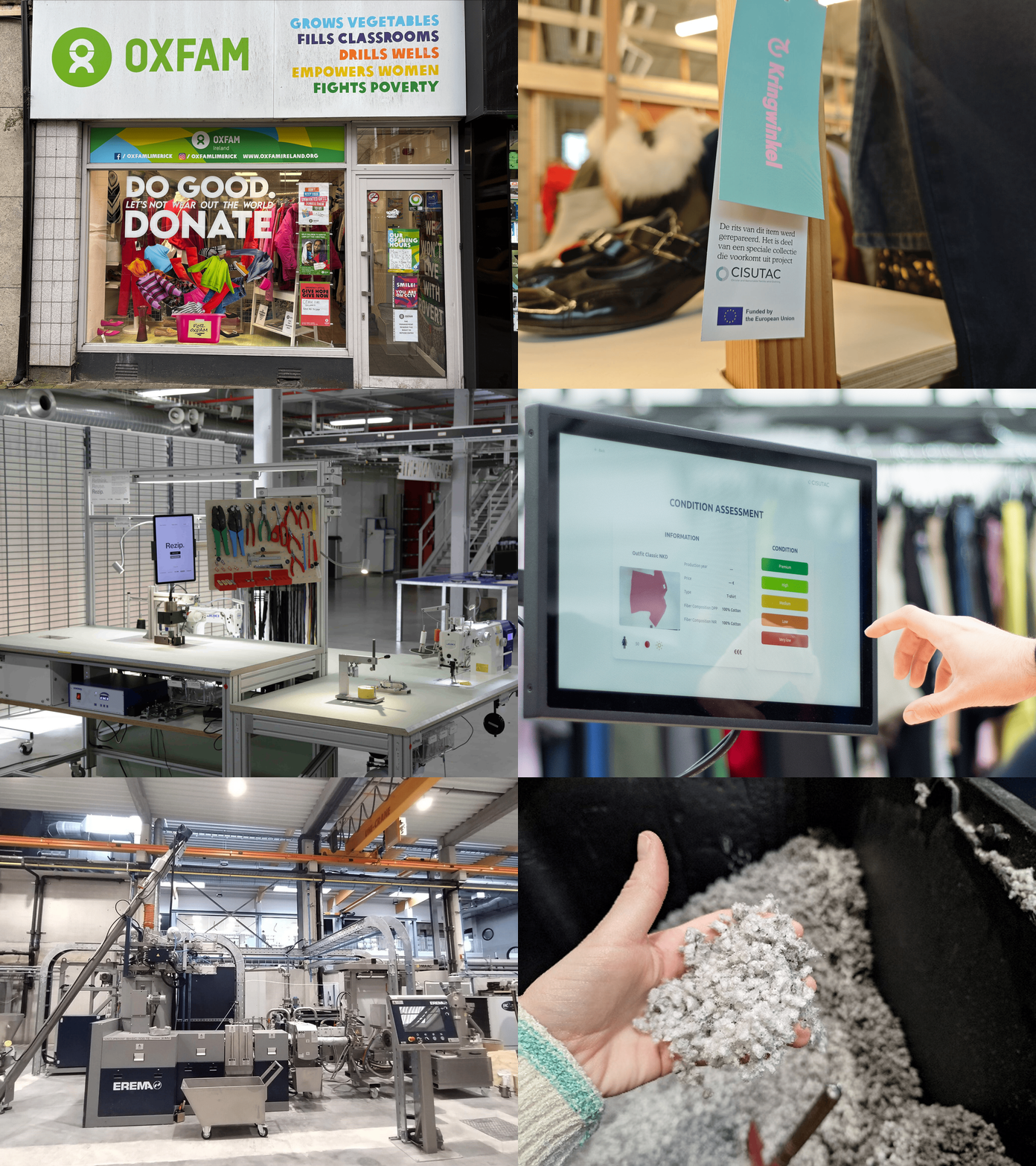
Running pilots to demonstrate the industrial application of new technologies for textile circularity

Developing the capacity and infrastructure for circular textiles and supporting a large scale sector-wide uptake

Building a better understanding of the textile actors and giving them insights on the value of circular textiles