
CISUTAC concludes four-year mission to help Europe's textile sector become circular
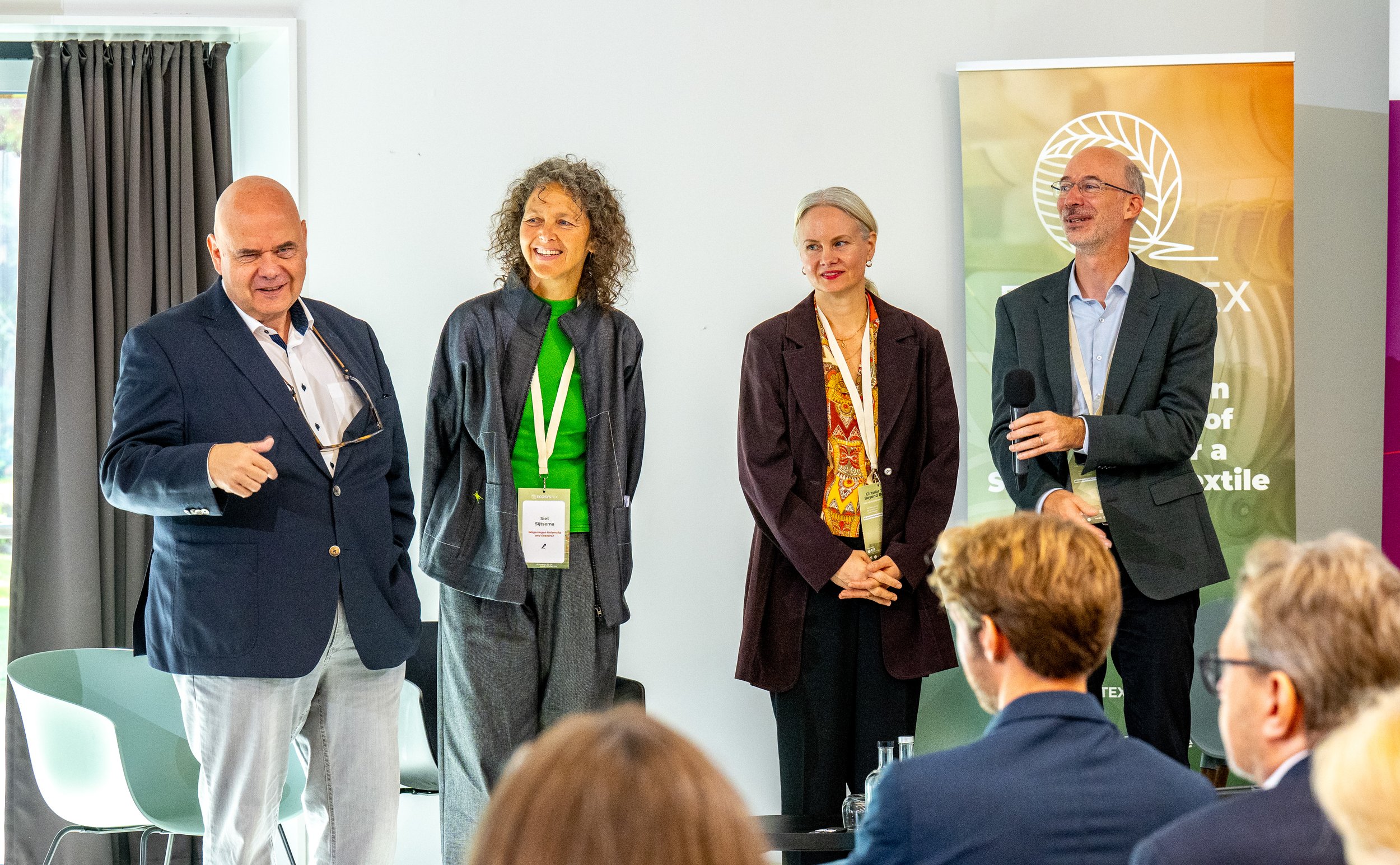
After four years of work across the European textile value chain, the CISUTAC project has released its final results, presented on 22 and 23 September at the ECOSYSTEX Conference in Antwerp: a set of tested technologies, open data, consumer research and policy recommendations designed to help the textile and clothing sector move from a linear, waste-generating model to a genuinely circular one.
Over the course of the project, CISUTAC worked on three fronts at once:
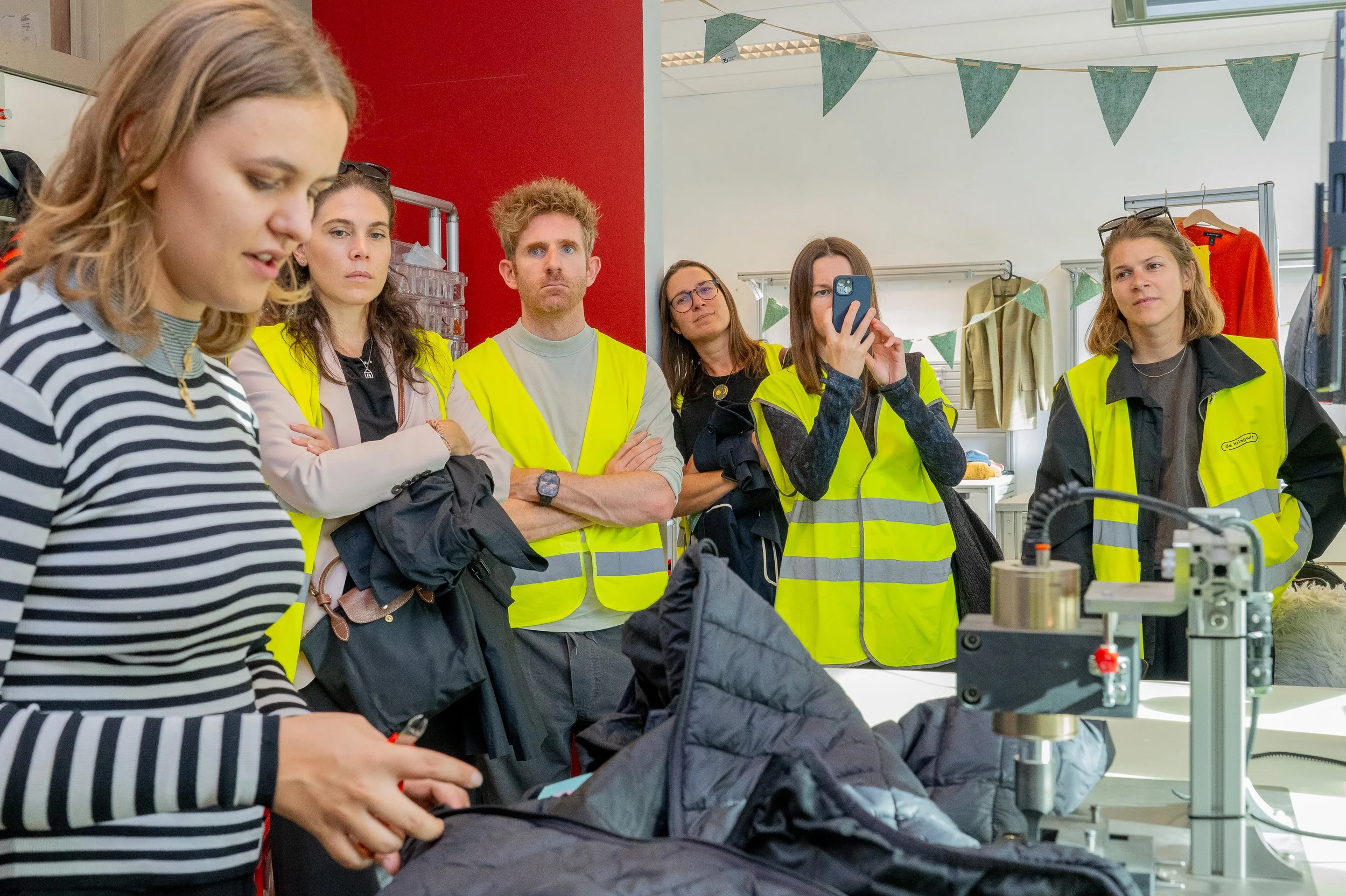
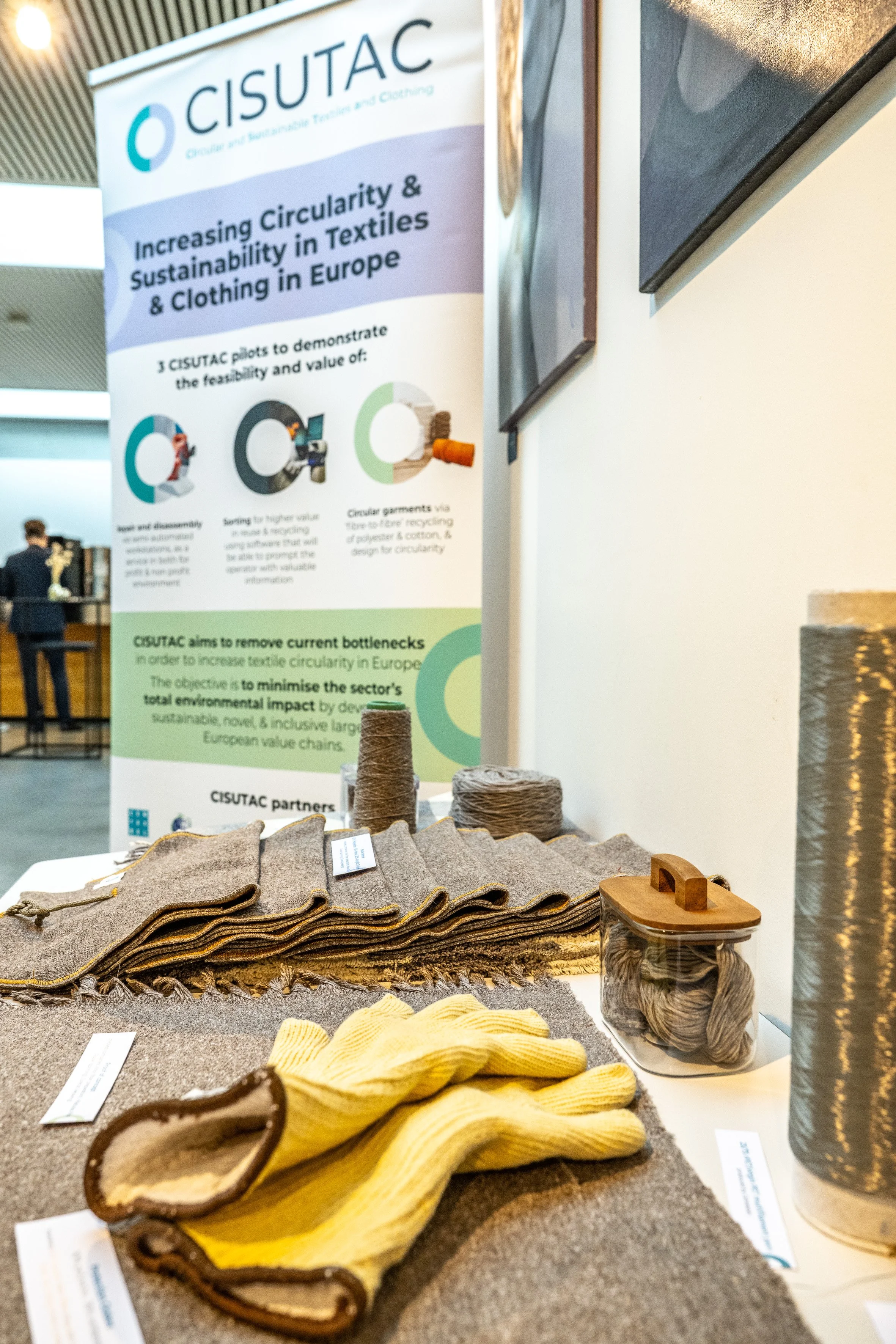
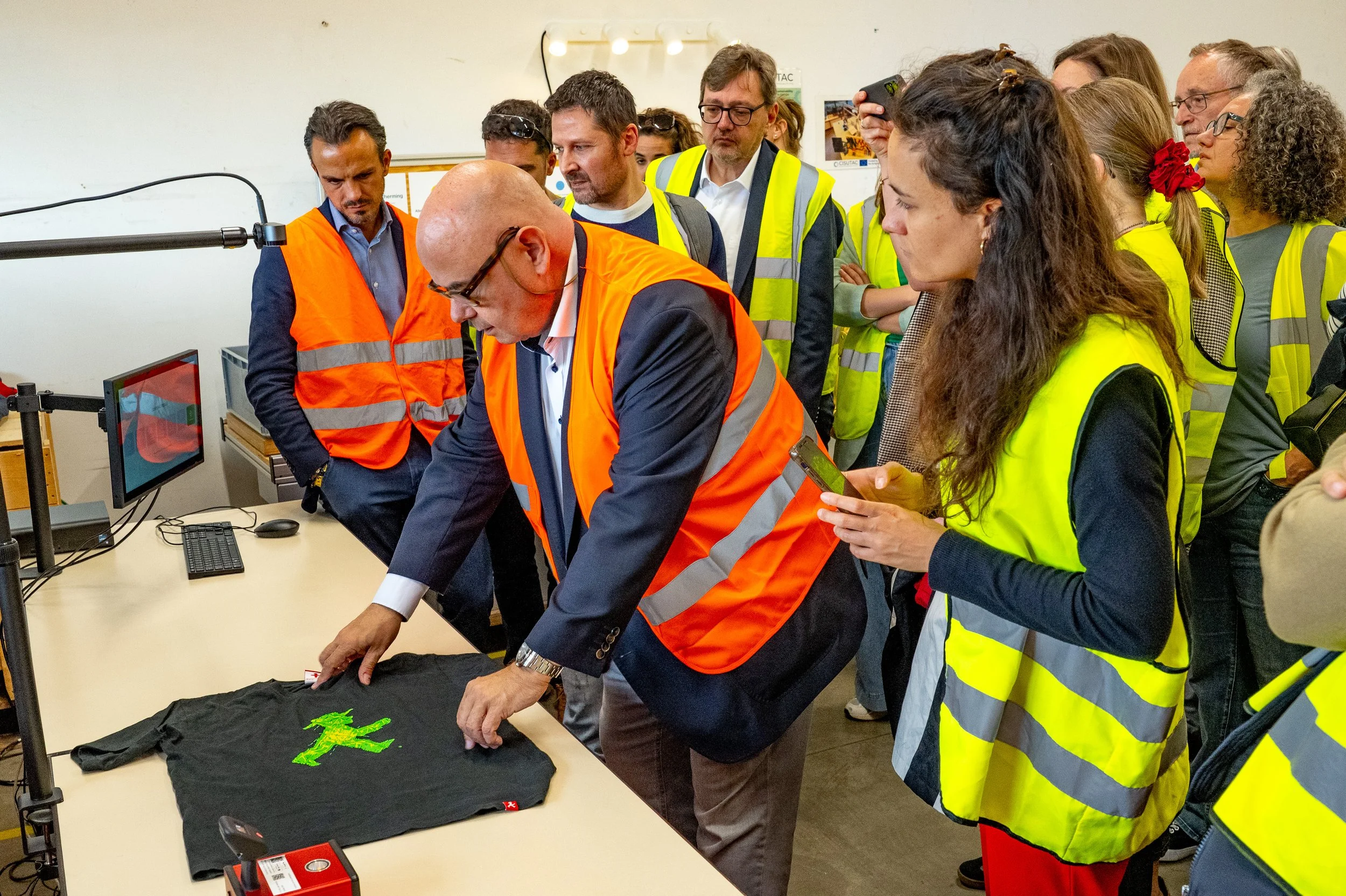
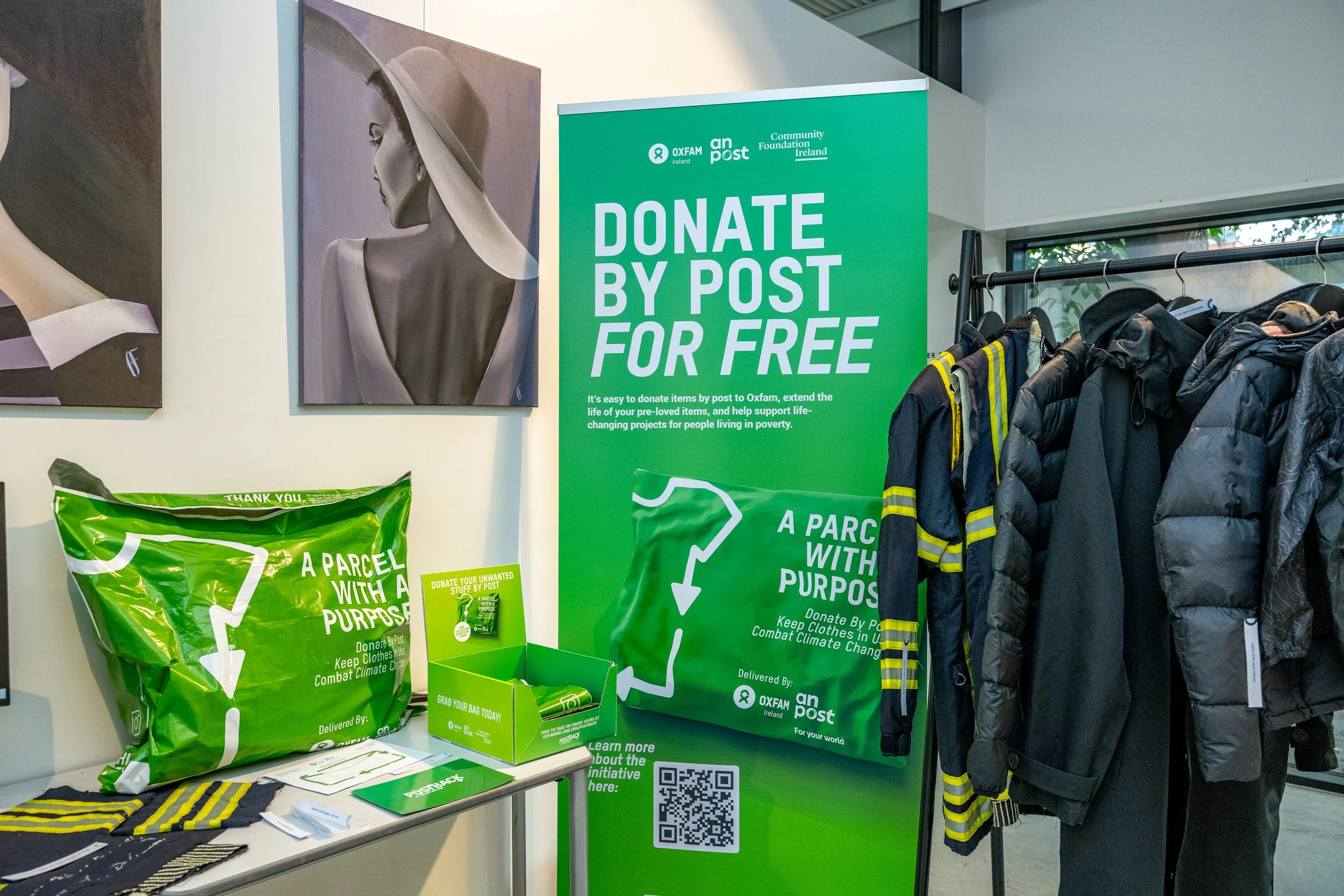
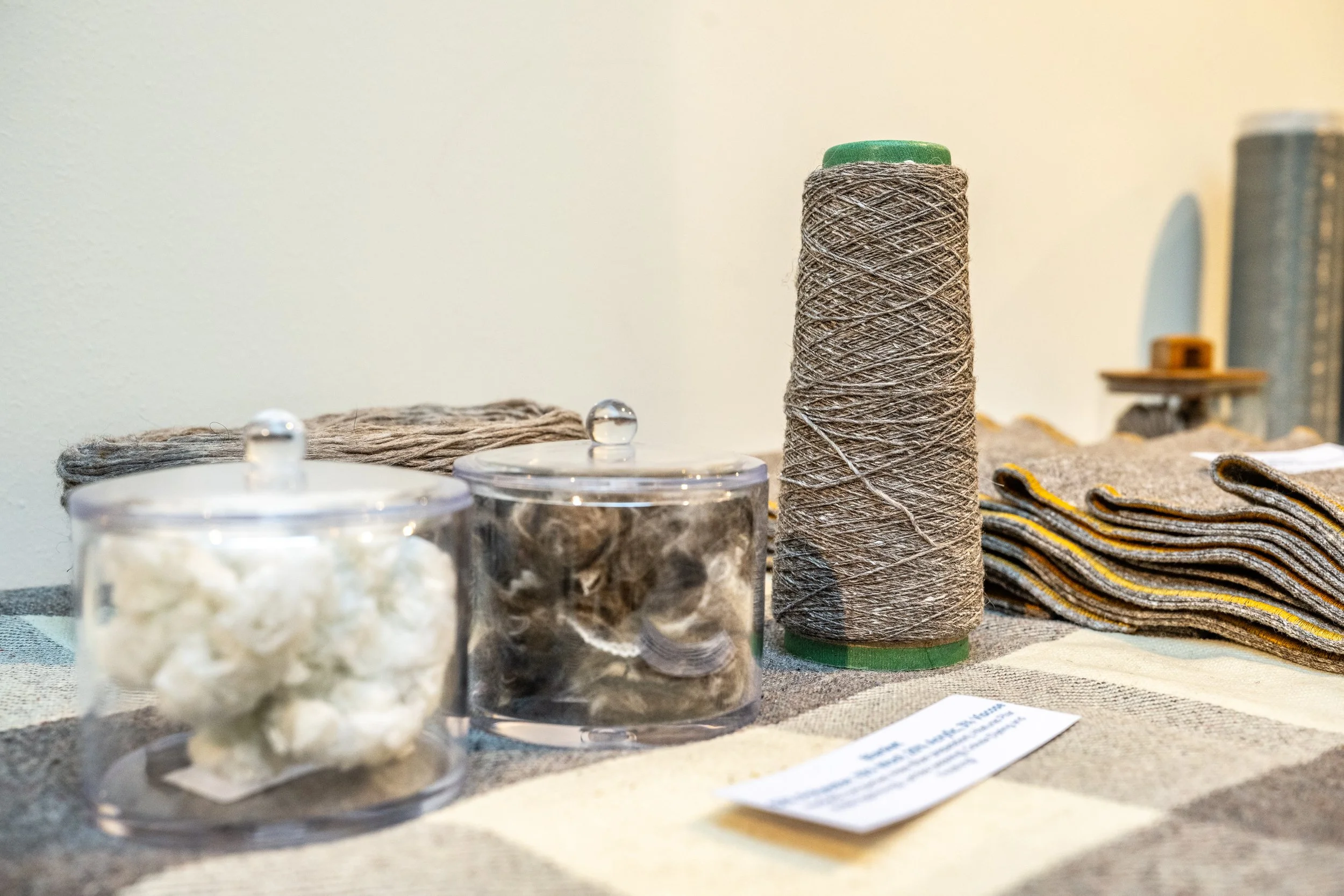
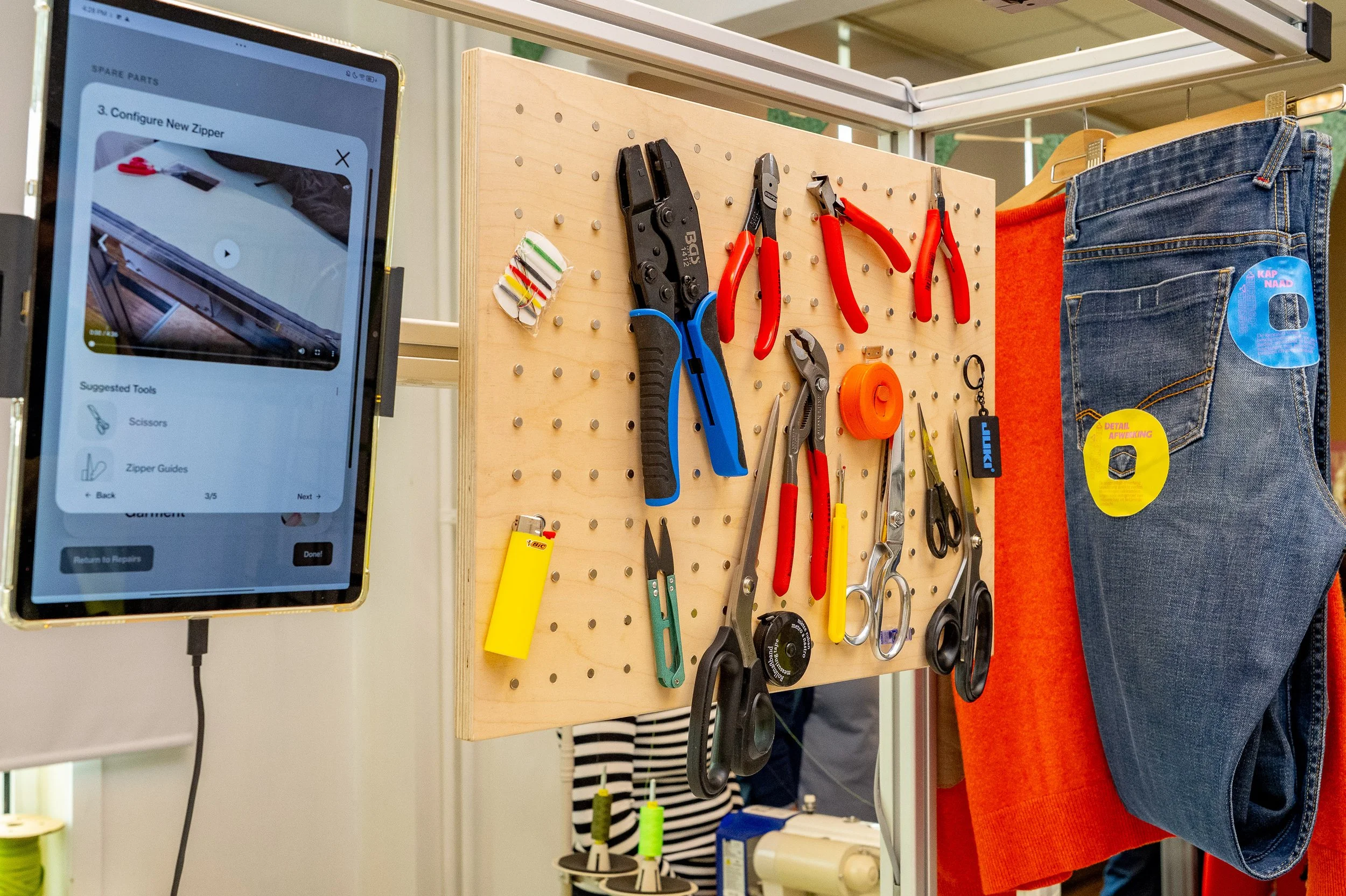
On the innovation side, CISUTAC piloted and tested new repair, disassembly and recycling technologies in real operating conditions, cutting a full zipper repair down to a fraction of the time it used to take, automating the disassembly of hard-to-recycle protective equipment, and demonstrating that recycled fibres can be spun into yarn strong enough for new garments, alongside open tools and datasets now freely available to make textile sorting faster and more consistent.
On the consumer side, large-scale research combined with national awareness campaigns and local guidelines to understand, and start to shift, what actually drives people to repair, reuse and buy second-hand,
And on the policy side, an assessment of the sector's possible futures fed into a set of policy recommendations, covering dossiers from waste management and public procurement to ecodesign, standardisation and Extended Producer Responsibility, giving policymakers and industry an evidence base to plan the sector's next decade.
CISUTAC's pilots ran inside the real operations of its consortium partners, putting new technologies and campaigns directly in front of sorters, shop staff and consumers rather than treating them as theoretical exercises.
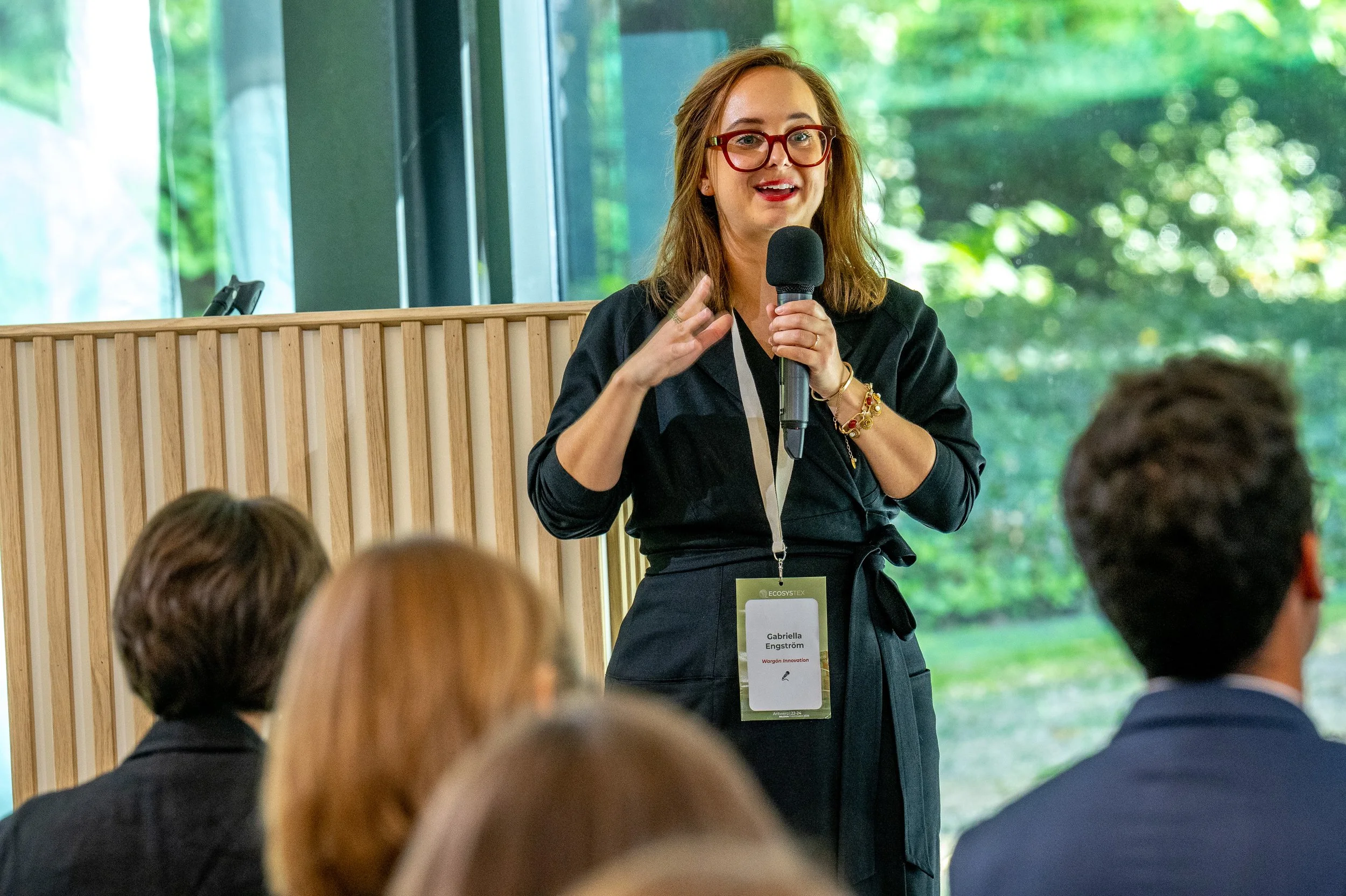
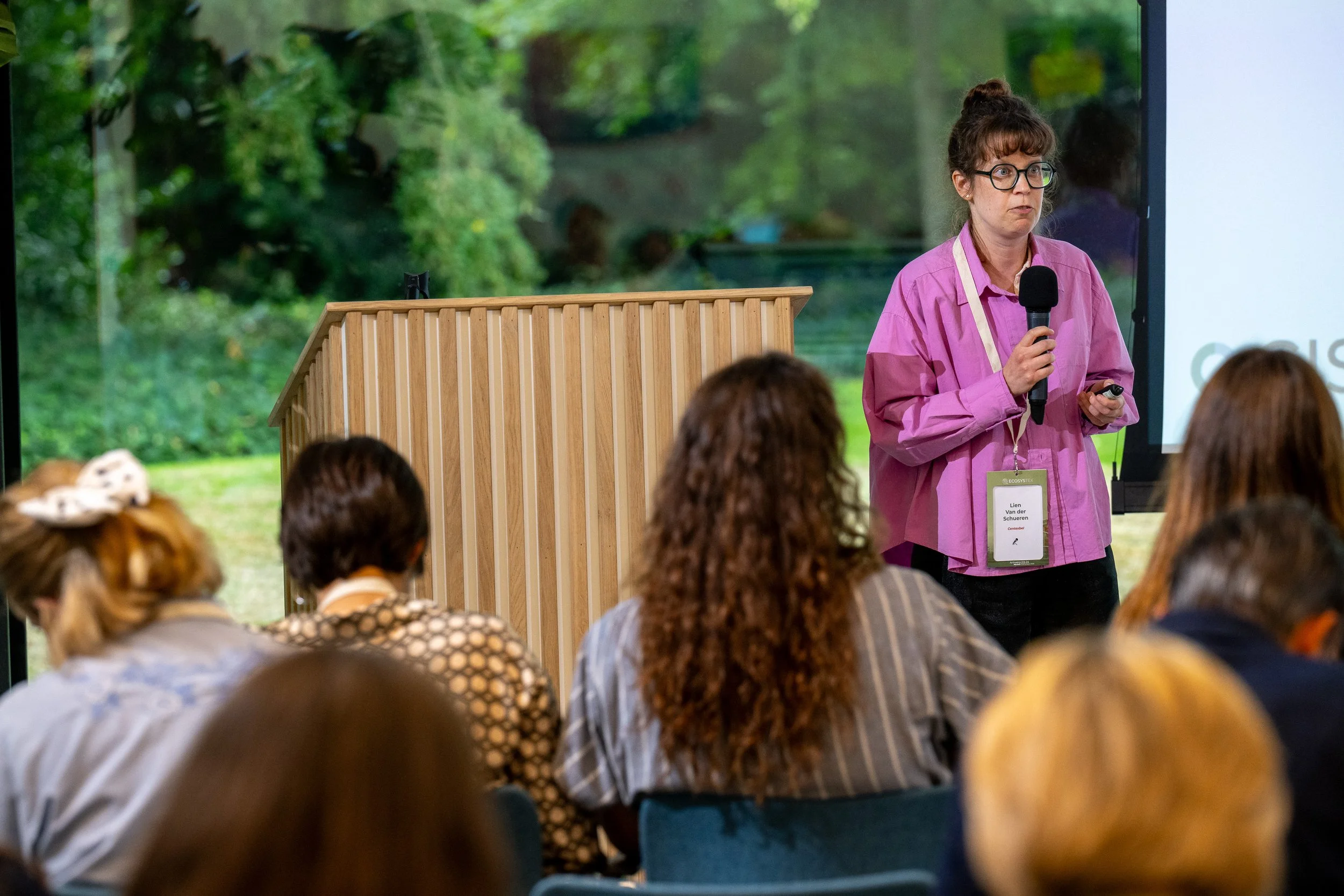
“CISUTAC has demonstrated that textile circularity is possible when innovation, collaboration and practical implementation come together. We hope the project has not only inspired companies across the value chain, but also provided them with knowledge, tools and evidence needed to take further steps towards more circular textiles.” - Lien Van der Schueren and Guy Buyle, Coordinators of CISUTAC, Centexbel
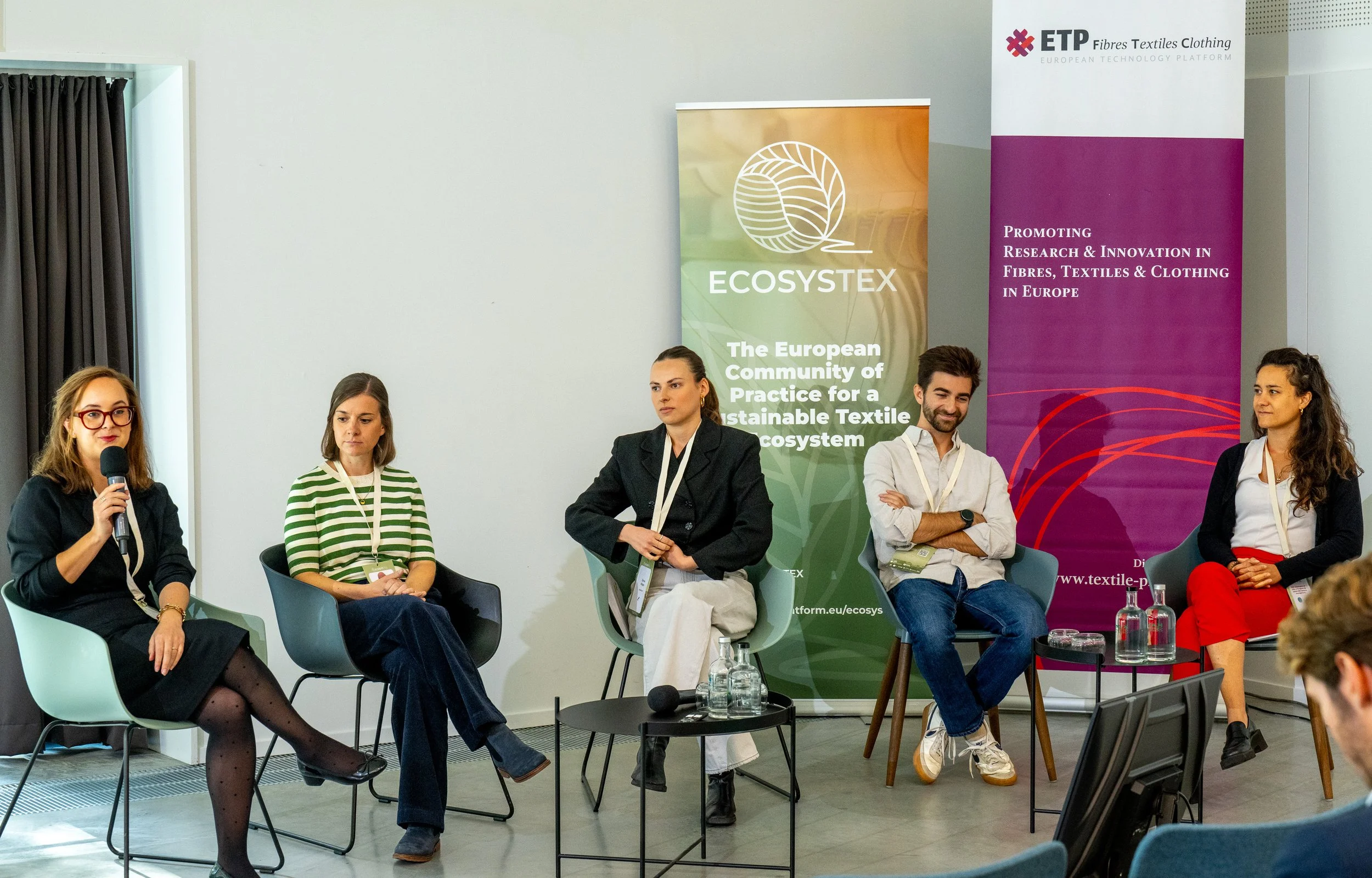
CISUTAC also looked beyond its own consortium: the project helped found ECOSYSTEX, a wider community of practice now bringing together over 100 EU-funded textile circularity projects, so that the lessons learned continue to shape the sector after CISUTAC itself concludes.
More information on the CISUTAC results: https://www.cisutac.eu/blogs/cisutacs-final-results-for-a-circular-european-textile-sectornbsp
